
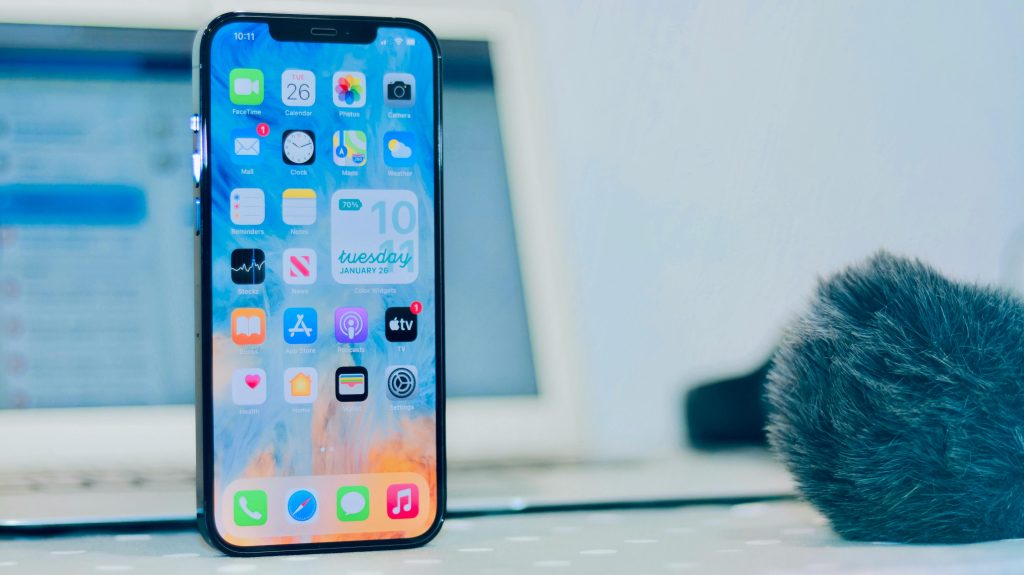
Apple Unveils iOS 27 Public Beta With Major Lock Screen, Siri, and Security Updates Amid Rising U.S. Regulatory Scrutiny
May 19, 2026 — United States — Apple has released the first public beta of iOS 27, bringing one of the most comprehensive set of upgrades to the mobile operating system in years. The update, now rolling out to eligible iPhone users in the U.S., includes significant changes to the lock screen experience, Siri performance, and system-level security — a response not only to evolving user expectations but also mounting regulatory pressure from U.S. lawmakers over privacy and artificial intelligence applications.
The announcement comes at a time when Apple’s flagship software strategy is under intense scrutiny, with congressional hearings, state legislation proposals, and technology policy debates increasingly focusing on platform accountability, user data protection, and algorithmic transparency. These developments reflect a major shift in how technology companies are evaluated in Washington and across state capitals.
Industry analysts say iOS 27’s feature set reflects Apple’s dual priorities: strengthening user control and reinforcing its market position at a moment when competitors like Google and Samsung are aggressively expanding AI integration across Android devices.
Lock Screen Gets Interactive Personalization and Real-Time Widgets
One of the most visible changes in iOS 27 Beta is the redesigned lock screen.
Previously a static interface primarily for notifications and unlocking devices, Apple’s new design turns the lock screen into a dynamic space with:
- Interactive Widgets: Users can now tap expanded widgets on the lock screen to interact with apps such as Weather, Calendar, Messages, and Fitness without launching the full app.
- Live Notifications Grouping: Notifications are now automatically categorized by type — alerts, messages, and reminders — reducing clutter and improving readability.
- Smart Suggestions: An on-device machine learning engine generates real-time shortcuts relevant to user activity, such as quick access to boarding passes, home smart controls, or preferred playlists.
- Rich Media Controls: Users can directly control media, capture photos, or respond to messages without unlocking the phone.
Apple says these enhancements aim to reduce friction and help users accomplish tasks faster. However, consumer sentiment appears mixed. Many early testers praise increased convenience, while others express skepticism that dynamic lock screen elements could increase distraction rather than reduce it.
Siri Gets Smarter With Contextual Awareness and Proactive Assistance
Apple has quietly been working on upgrading Siri, the company’s built-in voice assistant, to address longstanding criticism that it lags behind rivals such as Google Assistant and Amazon Alexa in contextual understanding.
iOS 27 Beta introduces:
- Multi-Step Context Handling: Siri can now maintain conversational context across multiple requests, enabling users to follow up without rephrasing previous queries.
- Proactive Recommendations: Siri suggests actions based on user behavior patterns, such as offering to schedule workouts, remind contacts, or suggest navigation routes during traffic.
- Expanded Third-Party App Integration: Developers have new APIs that allow Siri to interact more deeply with apps, including initiating payments, creating content, and summarizing app data.
Security professionals note that expanding Siri’s reach into apps deepens Apple’s reliance on on-device machine learning — a strategy Apple consistently touts as better for privacy — but also raises questions about how deeply voice interactions are tied to user data stored on devices.
System-Wide Security and Privacy Enhancements
At a time when U.S. privacy policy discussions are increasingly focused on platform responsibility, Apple has implemented several new protections in iOS 27:
Location Privacy — More Granular Permissions
Instead of a binary allow/deny model, users can now specify context-specific location access for apps, such as:
- Allow only while using the app
- Allow only for one-time requests
- Share approximate location only
This change gives users tighter control of sensitive data and aligns Apple’s policies with emerging regulatory expectations in multiple U.S. states.
App Monitoring Transparency
A new system-level dashboard lets users see precisely which apps accessed sensors such as:
- Camera
- Microphone
- Bluetooth
- Motion tracking
Apple says this feature enhances transparency and accountability, allowing users to audit background access without third-party tools.
On-Device AI Threat Detection
Building on previous machine learning security frameworks, iOS 27 introduces advanced threat detection that monitors unusual app behavior in real time. Users receive notifications if potential privacy or security risks are detected, giving them the option to terminate risky processes.
App Store Policy Shifts Target Deceptive Practices
In conjunction with iOS 27’s public beta, Apple announced stricter enforcement of App Store policies aimed at protecting users from misleading practices and invasive data harvesting.
The updated guidelines include:
- Mandatory Disclosure of Tracking Data Usage: App developers must clearly state how and why user data is collected, including AI-driven personalization.
- Limits on Persistent Data Fingerprinting: Persistent identifiers that track users across apps and services are now restricted unless users grant explicit consent.
- Increased Audit Measures for Financial and Health Apps: Apps operating in sensitive categories face additional review for compliance with privacy regulations.
While Apple’s enforcement of such policies in recent years has been incremental, the company says it will increase automated checks and manual review processes to ensure policy adherence.
Developers have shown mixed reactions. Some welcome clearer guidelines and improved user trust, while smaller teams express concerns over increased complexity and compliance costs.
Regulatory Context: U.S. Lawmakers Increase Pressure on Big Tech
The release of iOS 27 Beta occurs amid heightened scrutiny from U.S. regulators and legislators who have increasingly questioned how technology companies handle user data, artificial intelligence, and privacy protections for minors.
This year, multiple bills have been introduced in both the U.S. House and Senate addressing issues such as:
- AI transparency standards
- Data minimization requirements
- Digital platform accountability
- Age verification and adolescent privacy protections
Some proposals directly target app marketplaces and their roles in distributing services that collect broad categories of user data, signaling a shift from focusing solely on social media platforms to encompassing operating system-level governance.
In response, Apple and Google have stepped up lobbying efforts in Washington, emphasizing the importance of innovation, consumer choice, and privacy frameworks that do not compromise user protections.
Investment and Market Reactions
Financial markets have taken notice of regulatory momentum and Apple’s corresponding product strategy.
Following news of iOS 27’s beta launch, Apple’s stock experienced a modest uptick as analysts framed the update as a strategic reinforcement of Apple’s privacy-focused brand.
Several Wall Street technology analysts issued statements suggesting that:
- Strengthened privacy and security features could drive higher user retention.
- Deeper system-level AI may increase platform stickiness relative to competitors.
- Clearer App Store data policies could create long-term user trust advantages.
At the same time, some analysts caution that regulatory pressures may increase compliance costs for Apple and third-party developers alike, potentially narrowing innovation bandwidth for smaller app creators.
User and Developer Community Responses
Online technology communities have seen lively discussion following the beta’s release:
Supporters Say:
- iOS 27 feels more intuitive.
- New lock screen widgets reduce app switching.
- Context-aware Siri is a significant improvement.
Critics Argue:
- Real-time suggestions can feel intrusive.
- Privacy controls may overwhelm average users.
- Some AI features are inconsistent in early testing.
Third-party developers also note that deeper Siri integration and API changes will require updates to existing app codebases, increasing development cycles for certain features.
Expectations for Public Release and Further Updates
Apple has indicated that iOS 27 will continue to evolve throughout the summer as additional beta testing feedback is collected. The company expects the full public release to coincide with its traditional fall launch cycle, typically around September or October.
Several features currently in beta may shift based on testing outcomes, regulatory feedback, or technical requirements.
Technology industry analysts predict:
- Beta 2 and 3 will refine contextual AI behaviors.
- Security and privacy tools may be expanded based on user feedback.
- Additional features for accessibility and health integration may arrive later in the beta schedule.
Competitive Context: Android 17 and Other Mobile Ecosystems
Apple’s iOS 27 push comes as Google continues expanding Android 17, which also emphasizes AI tools, privacy settings, and cross-device experiences.
While iOS and Android ecosystems remain distinct, there is clear convergence in how both companies approach:
- On-device intelligence
- Privacy-first policy emphasis
- Multitasking productivity enhancements
- Cross-platform continuity
This competitive landscape suggests that mobile software innovation will continue evolving toward more seamless, secure, and personalized user experiences.
Final Thoughts
The rollout of iOS 27 Beta marks a pivotal moment in Apple’s mobile software strategy. With major upgrades to lock screen interaction, Siri contextual intelligence, security protections, and App Store policy enforcement, Apple appears focused on strengthening user trust, regulatory defensibility, and long-term platform differentiation.
At a time when U.S. lawmakers are increasingly questioning the role of technology companies in society, Apple’s iOS 27 release stands as both a product update and a strategic signal — one that underscores privacy, personalization, and platform accountability as central pillars of innovation in 2026 and beyond
Related Articles
The Global AI Revolution in May 2026: What’s Actually Happening Right Now – KNGDEA