Adsense Verify

Apple

Apple Expands Global AI Ecosystem as iPhone Market Slows and Regulators Increase Pressure on Big Tech – May 25, 2026

Close-up shot of a smartphone camera lens reflecting light, highlighting modern technology.

May 25, 2026 — Global — Apple is accelerating its artificial intelligence strategy across hardware, software, and cloud services as the global smartphone market enters a slower growth cycle and governments worldwide intensify scrutiny of large technology companies. Over recent weeks, the company has focused heavily on expanding AI-powered functionality across iPhone, iPad, Mac, and wearable devices while strengthening its ecosystem-based services business amid increasing competition from Android manufacturers and cloud AI providers.

Industry analysts say Apple’s current transition marks one of the company’s most significant strategic shifts in years, as consumer demand increasingly moves toward AI-driven experiences, privacy-focused mobile ecosystems, and intelligent cross-device integration rather than raw hardware upgrades alone.

The broader global technology market is simultaneously facing rising semiconductor costs, slower smartphone replacement cycles, supply chain restructuring, and growing regulatory pressure surrounding app marketplaces, data privacy, and artificial intelligence governance. Against this backdrop, Apple continues attempting to position itself as both a premium hardware company and a privacy-first AI ecosystem provider.

Apple Pushes AI Features Across the Entire Product Ecosystem

Artificial intelligence has rapidly become central to Apple’s software and hardware strategy throughout Q2 2026.

Recent updates across iOS, iPadOS, macOS, and watchOS increasingly emphasize:

  • AI-assisted productivity
  • Context-aware recommendations
  • Real-time summarization
  • Smarter Siri interactions
  • On-device machine learning
  • Personalized notifications
  • AI-enhanced photography

Unlike several competitors heavily focused on cloud-only AI services, Apple continues prioritizing on-device AI processing through its custom silicon chips. Technology analysts believe this approach is designed to strengthen Apple’s long-standing privacy positioning while reducing dependence on remote cloud processing.

Siri Receives Major AI Enhancements

Over the past few weeks, Apple has continued refining Siri’s AI capabilities to compete more effectively with emerging generative AI assistants.

The updated assistant now supports:

  • More natural voice interaction
  • Cross-app contextual understanding
  • Intelligent scheduling suggestions
  • Smart email summarization
  • AI-assisted writing support
  • Improved multilingual processing

Industry observers say Apple is attempting to modernize Siri without fundamentally changing its tightly controlled ecosystem model.

Several market analysts believe Apple’s AI rollout remains more cautious compared with competitors like Google and OpenAI, but potentially more stable for long-term consumer adoption.

Global Smartphone Market Growth Continues Slowing

The global smartphone industry remains under pressure in May 2026 as consumers increasingly delay upgrades amid higher prices and limited hardware differentiation.

Premium Devices Still Show Resilience

Although overall global smartphone shipment growth has slowed during Q2 2026, premium flagship devices continue performing relatively well.

Apple’s latest iPhone lineup maintains strong demand in:

  • North America
  • Japan
  • South Korea
  • Western Europe

Analysts attribute this resilience to several factors:

  • Ecosystem lock-in
  • Long software support cycles
  • Privacy branding
  • AI-powered software features
  • High resale value
  • Seamless integration with other Apple devices

Consumers increasingly view smartphones as long-term ecosystem investments rather than yearly upgrade products.

Android Competition Intensifies

At the same time, Apple faces increasing competition globally from Android manufacturers including Samsung, Xiaomi, Huawei, and Vivo.

Several Android brands are rapidly deploying:

  • AI-powered photo editing
  • Real-time translation
  • Generative AI assistants
  • Foldable hardware
  • On-device productivity tools

Many of these features are now appearing in mid-range devices, increasing pressure on premium smartphone makers.

Industry researchers suggest that AI capabilities are becoming one of the primary factors influencing consumer purchasing decisions in 2026.

Apple Services Division Continues Expanding Globally

As smartphone market growth slows, Apple’s services business remains one of the company’s strongest revenue drivers.

Subscription Ecosystem Strengthens

Recent weeks have shown continued growth across:

  • Apple Music
  • iCloud+
  • Apple TV+
  • Apple Arcade
  • App Store subscriptions
  • Apple Pay services

Financial analysts say Apple’s ecosystem strategy continues giving the company a major competitive advantage because consumers increasingly rely on multiple Apple services simultaneously.

The company’s ability to combine hardware, software, subscriptions, and financial services into a unified ecosystem remains one of the strongest retention models in the global technology industry.

Enterprise and Productivity Expansion

Apple is also expanding enterprise-focused integrations involving:

  • AI productivity tools
  • Secure cloud synchronization
  • Cross-device workflow systems
  • Enterprise device management

Businesses adopting hybrid work models continue increasing deployment of MacBooks and iPads for secure remote productivity environments.

AI Competition Between Big Tech Companies Intensifies

The AI race across the global technology industry continues accelerating throughout May 2026.

Google Expands AI Across Android

Google has aggressively integrated AI across Android 17 and Workspace services, focusing heavily on:

  • Predictive recommendations
  • Context-aware assistance
  • AI-powered search
  • Mobile productivity automation

Android manufacturers continue deploying generative AI features across multiple device categories.

Microsoft and OpenAI Push Enterprise AI

Meanwhile, Microsoft and OpenAI continue dominating enterprise AI discussions through cloud infrastructure, enterprise copilots, and generative productivity systems.

Corporate adoption of AI-driven workflow tools has increased sharply across finance, logistics, customer support, and enterprise analytics sectors.

Apple Takes a More Controlled Approach

Apple’s AI strategy differs significantly from rivals because of its emphasis on:

  • Privacy-first architecture
  • On-device intelligence
  • Controlled ecosystem integration
  • Long-term consumer trust

Rather than aggressively launching open AI systems, Apple appears focused on embedding AI gradually into existing user experiences.

Industry experts believe this slower rollout could help Apple avoid some of the reliability and misinformation problems currently affecting generative AI platforms elsewhere.

Privacy and Regulation Become Larger Global Challenges

Technology regulation continues expanding globally, creating new challenges for companies like Apple.

European Regulatory Pressure

European regulators remain focused on:

  • App Store competition policies
  • Data portability requirements
  • AI governance frameworks
  • Digital marketplace fairness
  • User tracking transparency

Apple continues facing scrutiny over payment systems, app distribution rules, and ecosystem control practices.

United States Policy Discussions Continue

In the United States, lawmakers continue debating:

  • AI regulation
  • Consumer privacy laws
  • Child safety protections
  • Big Tech competition policies
  • App marketplace restrictions

Several policy experts believe large ecosystem companies will face increasing oversight throughout the remainder of the decade.

Privacy Remains a Key Consumer Concern

Despite rapid AI adoption, consumer surveys globally show rising concerns surrounding:

  • Data collection
  • AI-generated misinformation
  • Cross-platform tracking
  • Biometric privacy
  • Cloud data storage

Apple continues emphasizing privacy-focused marketing to differentiate itself within the increasingly crowded AI market.

Supply Chain and Manufacturing Shifts Continue

Global supply chain restructuring remains a major issue throughout the technology industry.

Apple Expands Manufacturing Diversification

Apple continues gradually diversifying portions of manufacturing operations beyond China into countries including:

  • India
  • Vietnam
  • Malaysia

Industry analysts say this reflects broader geopolitical concerns and efforts to reduce long-term production risk.

Semiconductor Costs Continue Rising

The rapid expansion of AI-powered hardware is increasing demand for advanced semiconductors, contributing to:

  • Higher production costs
  • Increased device pricing pressure
  • Supply chain competition

Several technology companies are now prioritizing AI chip development and long-term component agreements to secure future production capacity.

Wearables and Smart Devices Become More Important

As smartphone growth slows, Apple continues increasing focus on wearables and connected devices.

Apple Watch and Health Features Expand

Health-focused features remain one of Apple’s strongest ecosystem advantages.

Recent updates continue emphasizing:

  • Sleep monitoring
  • Fitness tracking
  • Heart health notifications
  • AI-powered wellness insights

Healthcare analysts believe wearable devices may become increasingly important within preventive healthcare systems globally.

Vision and Spatial Computing Markets Grow

The broader industry is also investing heavily in:

  • Mixed reality devices
  • Spatial computing systems
  • AI-enhanced wearable hardware

Although still early in adoption, analysts believe these categories may become major long-term growth areas across the global technology market.

Cybersecurity Risks Continue Expanding

AI-driven cyber threats continue increasing globally throughout 2026.

Security firms report rising concern surrounding:

  • AI-generated phishing attacks
  • Voice cloning scams
  • Deepfake impersonation
  • Credential theft automation

Apple and other major technology firms continue strengthening:

  • Biometric authentication
  • On-device encryption
  • AI threat detection systems
  • Privacy-focused security architecture

Cybersecurity experts believe consumer trust in mobile ecosystems will increasingly depend on security reliability over the next several years.

Global Consumer Behavior Continues Changing

Consumer technology usage patterns are evolving rapidly worldwide.

AI Features Influence Purchasing Decisions

Consumers increasingly prioritize:

  • AI-powered cameras
  • Smart productivity features
  • Voice assistants
  • Real-time translation
  • Personalized recommendations

AI functionality is now becoming a central marketing focus across nearly all major smartphone launches.

Longer Upgrade Cycles Persist

At the same time, economic uncertainty and rising flagship device prices continue extending smartphone replacement cycles globally.

This trend is encouraging technology companies to focus more heavily on:

  • Subscription services
  • Ecosystem retention
  • Cloud integrations
  • AI-powered software experiences

rather than relying solely on hardware sales growth.

Outlook for Apple Through the Rest of 2026

Industry analysts expect Apple to remain one of the world’s most influential technology companies throughout 2026 despite slower smartphone growth and intensifying competition.

Key areas expected to drive future expansion include:

  • AI ecosystem integration
  • Subscription services
  • Enterprise productivity tools
  • Wearable devices
  • Financial technology services
  • Privacy-focused AI systems

However, growing regulatory pressure, global economic uncertainty, and AI competition are likely to remain major challenges moving forward.

Final Thoughts

Apple’s position in the global technology market during May 2026 reflects a broader industry transformation driven by artificial intelligence, ecosystem competition, regulatory oversight, and changing consumer expectations.

As the technology sector increasingly shifts toward AI-powered experiences and connected ecosystems, Apple is attempting to balance innovation, privacy, long-term ecosystem value, and global compliance within one of the most competitive periods in modern technology history.

The coming years may ultimately determine whether tightly integrated, privacy-focused ecosystems like Apple’s can maintain dominance as AI reshapes the future of consumer technology worldwide.
Apple Expands Global AI Ecosystem as iPhone Market Slows and Regulators Increase Pressure on Big Tech – May 25, 2026 Read More »

iOS 27 Beta Features, U.S. Regulatory Pressures, and Apple’s Market Strategy in 2026

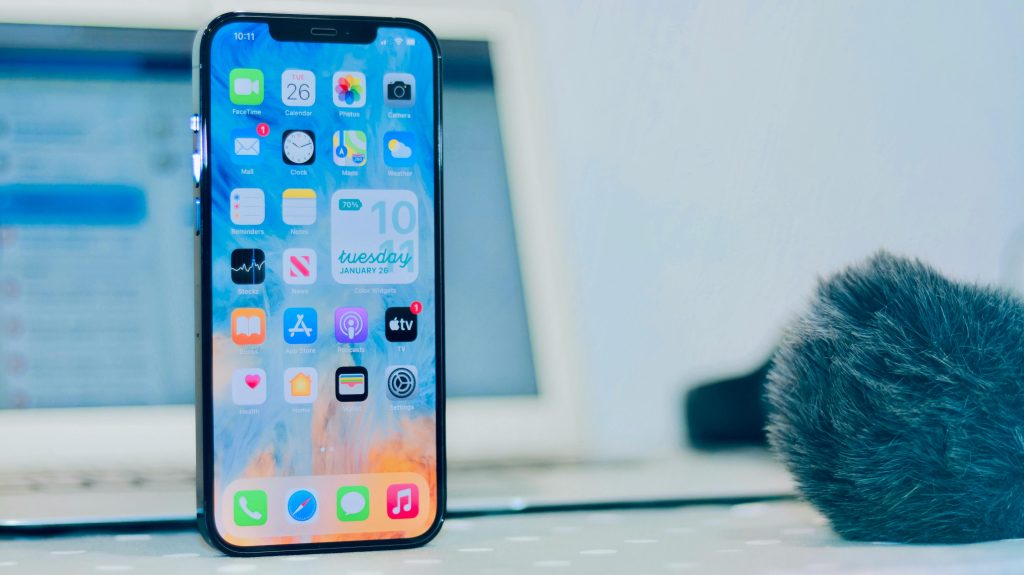
Smartphone displaying apps, notifications and time close-up indoors.

Apple Unveils iOS 27 Public Beta With Major Lock Screen, Siri, and Security Updates Amid Rising U.S. Regulatory Scrutiny

May 19, 2026 — United States — Apple has released the first public beta of iOS 27, bringing one of the most comprehensive set of upgrades to the mobile operating system in years. The update, now rolling out to eligible iPhone users in the U.S., includes significant changes to the lock screen experience, Siri performance, and system-level security — a response not only to evolving user expectations but also mounting regulatory pressure from U.S. lawmakers over privacy and artificial intelligence applications.

The announcement comes at a time when Apple’s flagship software strategy is under intense scrutiny, with congressional hearings, state legislation proposals, and technology policy debates increasingly focusing on platform accountability, user data protection, and algorithmic transparency. These developments reflect a major shift in how technology companies are evaluated in Washington and across state capitals.

Industry analysts say iOS 27’s feature set reflects Apple’s dual priorities: strengthening user control and reinforcing its market position at a moment when competitors like Google and Samsung are aggressively expanding AI integration across Android devices.

Lock Screen Gets Interactive Personalization and Real-Time Widgets

One of the most visible changes in iOS 27 Beta is the redesigned lock screen.

Previously a static interface primarily for notifications and unlocking devices, Apple’s new design turns the lock screen into a dynamic space with:

  • Interactive Widgets: Users can now tap expanded widgets on the lock screen to interact with apps such as Weather, Calendar, Messages, and Fitness without launching the full app.
  • Live Notifications Grouping: Notifications are now automatically categorized by type — alerts, messages, and reminders — reducing clutter and improving readability.
  • Smart Suggestions: An on-device machine learning engine generates real-time shortcuts relevant to user activity, such as quick access to boarding passes, home smart controls, or preferred playlists.
  • Rich Media Controls: Users can directly control media, capture photos, or respond to messages without unlocking the phone.

Apple says these enhancements aim to reduce friction and help users accomplish tasks faster. However, consumer sentiment appears mixed. Many early testers praise increased convenience, while others express skepticism that dynamic lock screen elements could increase distraction rather than reduce it.

Siri Gets Smarter With Contextual Awareness and Proactive Assistance

Apple has quietly been working on upgrading Siri, the company’s built-in voice assistant, to address longstanding criticism that it lags behind rivals such as Google Assistant and Amazon Alexa in contextual understanding.

iOS 27 Beta introduces:

  • Multi-Step Context Handling: Siri can now maintain conversational context across multiple requests, enabling users to follow up without rephrasing previous queries.
  • Proactive Recommendations: Siri suggests actions based on user behavior patterns, such as offering to schedule workouts, remind contacts, or suggest navigation routes during traffic.
  • Expanded Third-Party App Integration: Developers have new APIs that allow Siri to interact more deeply with apps, including initiating payments, creating content, and summarizing app data.

Security professionals note that expanding Siri’s reach into apps deepens Apple’s reliance on on-device machine learning — a strategy Apple consistently touts as better for privacy — but also raises questions about how deeply voice interactions are tied to user data stored on devices.

System-Wide Security and Privacy Enhancements

At a time when U.S. privacy policy discussions are increasingly focused on platform responsibility, Apple has implemented several new protections in iOS 27:

Location Privacy — More Granular Permissions

Instead of a binary allow/deny model, users can now specify context-specific location access for apps, such as:

  • Allow only while using the app
  • Allow only for one-time requests
  • Share approximate location only

This change gives users tighter control of sensitive data and aligns Apple’s policies with emerging regulatory expectations in multiple U.S. states.

App Monitoring Transparency

A new system-level dashboard lets users see precisely which apps accessed sensors such as:

  • Camera
  • Microphone
  • Bluetooth
  • Motion tracking

Apple says this feature enhances transparency and accountability, allowing users to audit background access without third-party tools.

On-Device AI Threat Detection

Building on previous machine learning security frameworks, iOS 27 introduces advanced threat detection that monitors unusual app behavior in real time. Users receive notifications if potential privacy or security risks are detected, giving them the option to terminate risky processes.

App Store Policy Shifts Target Deceptive Practices

In conjunction with iOS 27’s public beta, Apple announced stricter enforcement of App Store policies aimed at protecting users from misleading practices and invasive data harvesting.

The updated guidelines include:

  • Mandatory Disclosure of Tracking Data Usage: App developers must clearly state how and why user data is collected, including AI-driven personalization.
  • Limits on Persistent Data Fingerprinting: Persistent identifiers that track users across apps and services are now restricted unless users grant explicit consent.
  • Increased Audit Measures for Financial and Health Apps: Apps operating in sensitive categories face additional review for compliance with privacy regulations.

While Apple’s enforcement of such policies in recent years has been incremental, the company says it will increase automated checks and manual review processes to ensure policy adherence.

Developers have shown mixed reactions. Some welcome clearer guidelines and improved user trust, while smaller teams express concerns over increased complexity and compliance costs.

Regulatory Context: U.S. Lawmakers Increase Pressure on Big Tech

The release of iOS 27 Beta occurs amid heightened scrutiny from U.S. regulators and legislators who have increasingly questioned how technology companies handle user data, artificial intelligence, and privacy protections for minors.

This year, multiple bills have been introduced in both the U.S. House and Senate addressing issues such as:

  • AI transparency standards
  • Data minimization requirements
  • Digital platform accountability
  • Age verification and adolescent privacy protections

Some proposals directly target app marketplaces and their roles in distributing services that collect broad categories of user data, signaling a shift from focusing solely on social media platforms to encompassing operating system-level governance.

In response, Apple and Google have stepped up lobbying efforts in Washington, emphasizing the importance of innovation, consumer choice, and privacy frameworks that do not compromise user protections.

Investment and Market Reactions

Financial markets have taken notice of regulatory momentum and Apple’s corresponding product strategy.

Following news of iOS 27’s beta launch, Apple’s stock experienced a modest uptick as analysts framed the update as a strategic reinforcement of Apple’s privacy-focused brand.

Several Wall Street technology analysts issued statements suggesting that:

  • Strengthened privacy and security features could drive higher user retention.
  • Deeper system-level AI may increase platform stickiness relative to competitors.
  • Clearer App Store data policies could create long-term user trust advantages.

At the same time, some analysts caution that regulatory pressures may increase compliance costs for Apple and third-party developers alike, potentially narrowing innovation bandwidth for smaller app creators.

User and Developer Community Responses

Online technology communities have seen lively discussion following the beta’s release:

Supporters Say:

  • iOS 27 feels more intuitive.
  • New lock screen widgets reduce app switching.
  • Context-aware Siri is a significant improvement.

Critics Argue:

  • Real-time suggestions can feel intrusive.
  • Privacy controls may overwhelm average users.
  • Some AI features are inconsistent in early testing.

Third-party developers also note that deeper Siri integration and API changes will require updates to existing app codebases, increasing development cycles for certain features.

Expectations for Public Release and Further Updates

Apple has indicated that iOS 27 will continue to evolve throughout the summer as additional beta testing feedback is collected. The company expects the full public release to coincide with its traditional fall launch cycle, typically around September or October.

Several features currently in beta may shift based on testing outcomes, regulatory feedback, or technical requirements.

Technology industry analysts predict:

  • Beta 2 and 3 will refine contextual AI behaviors.
  • Security and privacy tools may be expanded based on user feedback.
  • Additional features for accessibility and health integration may arrive later in the beta schedule.

Competitive Context: Android 17 and Other Mobile Ecosystems

Apple’s iOS 27 push comes as Google continues expanding Android 17, which also emphasizes AI tools, privacy settings, and cross-device experiences.

While iOS and Android ecosystems remain distinct, there is clear convergence in how both companies approach:

  • On-device intelligence
  • Privacy-first policy emphasis
  • Multitasking productivity enhancements
  • Cross-platform continuity

This competitive landscape suggests that mobile software innovation will continue evolving toward more seamless, secure, and personalized user experiences.

Final Thoughts

The rollout of iOS 27 Beta marks a pivotal moment in Apple’s mobile software strategy. With major upgrades to lock screen interaction, Siri contextual intelligence, security protections, and App Store policy enforcement, Apple appears focused on strengthening user trust, regulatory defensibility, and long-term platform differentiation.

At a time when U.S. lawmakers are increasingly questioning the role of technology companies in society, Apple’s iOS 27 release stands as both a product update and a strategic signal — one that underscores privacy, personalization, and platform accountability as central pillars of innovation in 2026 and beyond

Related Articles

The Global AI Revolution in May 2026: What’s Actually Happening Right Now – KNGDEA

iOS 27 Beta Features, U.S. Regulatory Pressures, and Apple’s Market Strategy in 2026 Read More »

Apple’s Foldable iPhone Project Reportedly Enters Advanced Testing Stage Ahead of Possible 2027 Launch

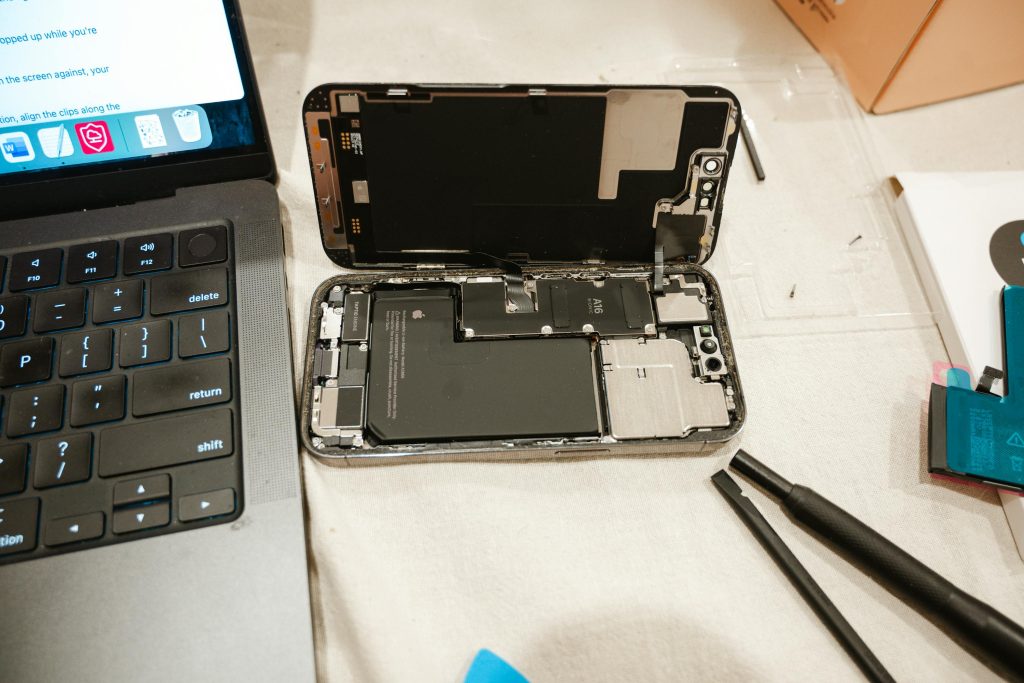
Open iPhone with repair tools and laptop, showcasing DIY battery replacement process.

Apple’s long-rumored foldable iPhone project is once again becoming one of the most discussed topics across the global smartphone industry after multiple supply chain reports suggested the company has entered a more advanced prototype testing phase during 2026.

Although Apple has not officially confirmed the existence of a foldable iPhone, growing evidence from component suppliers, display manufacturers, and industry analysts indicates the company is accelerating development as competition in the foldable smartphone market continues intensifying.

For years, foldable devices remained a relatively niche category dominated primarily by Samsung and several Chinese smartphone brands. However, industry observers believe Apple’s eventual entry into the market could dramatically reshape consumer adoption and significantly expand mainstream interest in foldable devices worldwide.

The possibility of a foldable iPhone has also triggered major discussion among investors, app developers, smartphone manufacturers, and Apple users who are increasingly curious about how Apple may approach one of the industry’s most technically challenging hardware categories.

Apple Has Been Studying Foldable Technology for Years

Reports surrounding Apple’s foldable device research have circulated for nearly a decade.

The company has reportedly tested multiple foldable concepts internally, including:

  • book-style foldables
  • clamshell foldables
  • hybrid tablet-phone designs
  • flexible OLED displays
  • dual-screen prototypes

However, unlike several competitors that rushed products into the market early, Apple appears to have taken a significantly slower and more cautious approach.

This strategy reflects Apple’s broader product philosophy.

Historically, Apple rarely attempts to become the first company to launch a new hardware category. Instead, the company typically focuses on entering markets later with more refined software integration, improved hardware reliability, and stronger ecosystem optimization.

Several analysts believe Apple intentionally delayed foldable development because earlier generations of foldable smartphones still faced major limitations involving:

  • display durability
  • visible screen creases
  • hinge reliability
  • battery efficiency
  • app optimization
  • device thickness

Apple reportedly wanted foldable technology to mature further before launching its own product.

Foldable Smartphones Are Finally Becoming More Mainstream

When Samsung first introduced foldable Galaxy devices years ago, many consumers viewed foldables as experimental products aimed mainly at technology enthusiasts.

However, the market has evolved significantly since then.

Foldable smartphones have gradually improved in:

  • hinge durability
  • display quality
  • multitasking features
  • water resistance
  • battery life
  • overall reliability

At the same time, prices have slowly become more competitive.

Several Android manufacturers now view foldables as one of the most important premium smartphone categories moving forward.

Chinese brands including Huawei, Honor, Xiaomi, OPPO, and Vivo have aggressively expanded foldable lineups across Asian and European markets.

Samsung meanwhile continues investing heavily in Galaxy Fold and Flip devices as part of its long-term strategy to maintain leadership in premium Android hardware.

As competition intensifies, industry analysts increasingly believe foldables may eventually become a standard flagship category rather than a niche experiment.

This broader market maturity is one reason why Apple’s timing may now align more closely with a commercial launch window.

Apple’s Biggest Challenge May Not Be Hardware

Although foldable displays and hinges remain technically difficult to engineer, many industry observers believe Apple’s largest challenge could involve software adaptation rather than hardware itself.

iOS was originally designed around traditional smartphone form factors.

A foldable iPhone would require significant changes involving:

  • multitasking behavior
  • app scaling
  • interface transitions
  • gesture navigation
  • split-screen functionality
  • keyboard adaptation
  • video playback optimization

Unlike Android, which already supports many foldable features across multiple manufacturers, Apple would need to redesign portions of iOS specifically for flexible displays.

Several reports suggest Apple engineers are currently working on advanced multitasking systems capable of dynamically adapting depending on device orientation and screen configuration.

If successful, Apple could potentially use software optimization as one of its main competitive advantages.

Historically, Apple’s ecosystem integration often allowed the company to compete effectively even when rivals introduced hardware innovations earlier.

Display Technology Is Reportedly a Major Focus

One of the biggest technical issues surrounding foldables has always been display durability.

Early foldable devices faced criticism for:

  • fragile screens
  • crease visibility
  • scratch sensitivity
  • hinge pressure damage

Apple reportedly remains heavily focused on solving these problems before any commercial release.

Several supply chain discussions throughout 2026 suggested Apple has been testing newer ultra-thin glass technologies and improved flexible OLED materials designed to reduce visible creasing while improving long-term durability.

Display suppliers in South Korea are also reportedly competing for future Apple foldable contracts, particularly as Apple attempts to secure large-scale production capacity capable of meeting iPhone-level global demand.

If Apple enters the foldable market, demand for flexible display components could rise dramatically across the entire supply chain.

Foldable iPhones Could Reshape the Premium Smartphone Market

The premium smartphone segment has experienced slower innovation cycles in recent years.

While modern flagship devices continue improving cameras and processors annually, many consumers feel smartphone upgrades have become increasingly incremental.

Foldables represent one of the few remaining hardware categories capable of creating a significantly different user experience.

Industry analysts believe Apple’s eventual entry could:

  • increase mainstream awareness
  • accelerate foldable app development
  • encourage additional competition
  • push more consumers toward premium devices

Some market observers also believe Apple may attempt to position foldables as productivity-focused devices rather than purely entertainment products.

This could allow Apple to integrate foldable iPhones more closely with:

  • iPad workflows
  • macOS continuity
  • Apple Pencil functionality
  • AI productivity systems
  • multitasking tools

Such integration would fit Apple’s broader ecosystem strategy.

Close-up of a hand holding a modern black flip smartphone, ideal for tech and lifestyle concepts.

Pricing Could Become a Major Controversy

One of the biggest concerns surrounding a foldable iPhone involves pricing.

Current foldable smartphones remain expensive compared to traditional flagship devices.

Several analysts expect Apple’s first foldable iPhone could potentially launch above:

  • $1,800
  • or even $2,000 depending on configuration

This would place the device among the most expensive mainstream smartphones Apple has ever released.

Some consumers argue foldables still do not provide enough practical advantages to justify such high prices.

Others believe Apple users may still be willing to pay premium pricing if the company successfully delivers:

  • better durability
  • smoother software
  • improved battery life
  • stronger app optimization
  • tighter ecosystem integration

Pricing strategy may ultimately determine how quickly foldable devices gain mainstream traction.

AI Integration Could Play a Major Role

Artificial intelligence is also expected to influence Apple’s foldable strategy.

As smartphones evolve toward AI-centric experiences, larger foldable displays could become useful for:

  • AI-generated content editing
  • multitasking
  • productivity workflows
  • contextual assistance
  • advanced media creation

Several analysts believe future foldable devices may increasingly function as hybrid productivity systems rather than traditional smartphones.

Apple’s growing investment into Apple Intelligence and on-device AI processing could therefore align naturally with larger foldable interfaces.

This would also help Apple differentiate foldables beyond hardware novelty alone.

App Developers Are Already Watching Closely

Even without official confirmation, developers are already discussing how foldable iPhones could affect the App Store ecosystem.

Foldable devices may require:

  • redesigned layouts
  • adaptive interfaces
  • new multitasking support
  • advanced media optimization
  • productivity-focused workflows

Some developers believe Apple’s entrance could finally push foldable software optimization into the mainstream.

Android foldables currently suffer from inconsistent app experiences because many developers still prioritize traditional smartphone aspect ratios.

Apple’s tighter ecosystem control may help standardize foldable software experiences more effectively.

Final Thoughts

Apple’s foldable iPhone project appears to be moving closer toward reality as the global smartphone market continues evolving beyond traditional hardware designs.

Although foldable technology still faces important challenges involving pricing, durability, and software adaptation, industry momentum surrounding the category continues growing rapidly.

If Apple ultimately enters the foldable market, the company could dramatically accelerate mainstream adoption while reshaping the next phase of premium smartphone competition.

For now, the foldable iPhone remains one of the technology industry’s most closely watched future products — and one that could significantly influence the direction of smartphones over the next decade.

Apple’s Foldable iPhone Project Reportedly Enters Advanced Testing Stage Ahead of Possible 2027 Launch Read More »

Apple Accelerates iOS AI Development Ahead of WWDC 2026 as Pressure Around Siri Continues Growing

Top view of Apple devices including AirPods, iPhone, and MacBook on a wooden surface

Apple is entering one of the most important periods in its recent software history as the company prepares for WWDC 2026 amid growing criticism surrounding Siri, Apple Intelligence, and the broader pace of its AI development.

Over the past year, the global smartphone industry has rapidly shifted toward artificial intelligence. Google has aggressively integrated Gemini AI across Android devices, Samsung continues expanding Galaxy AI features into more phones, and Chinese smartphone manufacturers are pushing their own AI ecosystems into both flagship and mid-range devices.

Apple, however, has taken a noticeably slower approach.

While the company introduced “Apple Intelligence” during earlier software announcements, many iPhone users and industry analysts believe Apple still lacks a truly competitive AI assistant compared to rivals currently dominating the conversation around mobile AI.

The growing pressure has now turned WWDC 2026 into one of Apple’s most closely watched developer conferences in years.

Siri Is Becoming One of Apple’s Biggest Weak Points

For years, Siri was considered one of the most recognizable smartphone assistants in the market. However, the AI boom over the past two years has dramatically changed user expectations.

Modern users now expect AI systems capable of:

  • understanding context
  • handling multi-step tasks
  • summarizing information
  • generating natural responses
  • interacting across apps
  • learning user behavior

Compared to systems like Google Gemini and ChatGPT integrations, Siri has increasingly been criticized for feeling outdated and limited.

On Reddit, X, and Apple discussion forums, many users have complained that Siri still struggles with relatively simple requests, often failing to understand natural language or requiring overly specific commands.

Several recent reports from Apple-focused media outlets suggest internal development challenges have delayed some advanced Siri upgrades that were initially expected to arrive earlier in 2026.

According to industry discussions, Apple engineers are reportedly rebuilding large parts of Siri’s backend infrastructure in order to support more advanced AI functionality in future iOS versions.

Apple Intelligence Is Expanding Across iOS

Despite criticism surrounding Siri, Apple has quietly continued expanding AI-powered features across iOS.

Recent updates introduced:

  • smarter writing suggestions
  • automatic email summaries
  • AI-assisted notification organization
  • image editing improvements
  • voice transcription enhancements
  • contextual recommendations

Apple has also continued emphasizing on-device AI processing as one of its major advantages.

Unlike several competitors that depend heavily on cloud computing, Apple is attempting to process more AI tasks directly on iPhones whenever possible. The company argues this approach improves:

  • privacy
  • response speed
  • battery optimization
  • security

This strategy aligns closely with Apple’s long-standing focus on user privacy, which remains one of the company’s biggest marketing advantages.

However, some analysts believe Apple’s strict privacy requirements may also be slowing the company’s ability to release more advanced generative AI systems at the same pace as competitors.

WWDC 2026 Could Define Apple’s AI Direction

Industry attention is now heavily focused on WWDC 2026, where Apple is expected to reveal additional AI-related upgrades across iOS, iPadOS, and macOS.

Several leaks and analyst reports suggest Apple may announce:

  • a redesigned Siri experience
  • deeper AI integration across apps
  • smarter Spotlight search
  • enhanced productivity automation
  • AI-powered Safari tools
  • system-wide contextual assistance

Some reports also indicate Apple may allow third-party AI integrations beyond OpenAI partnerships currently associated with Apple Intelligence.

This could potentially include:

  • Google Gemini
  • Anthropic Claude
  • specialized AI models for developers

If Apple opens iOS to broader AI integrations, it would represent one of the company’s biggest software ecosystem shifts in years.

Competition in Smartphones Is No Longer About Hardware Alone

The smartphone industry is rapidly entering a new competitive phase where AI capabilities are becoming just as important as cameras, processors, and battery life.

For many years, annual smartphone upgrades focused primarily on:

  • thinner designs
  • improved cameras
  • display technology
  • faster chips

Now the industry focus is changing.

Companies are increasingly competing through:

  • intelligent assistants
  • AI search
  • automated workflows
  • voice interaction
  • image generation
  • smart summaries
  • productivity systems

Several technology analysts believe smartphones are gradually evolving into “personal AI devices” rather than traditional mobile phones.

This shift is one reason why Apple is now facing stronger pressure to demonstrate major progress in AI development.

Investors Are Closely Watching Apple’s AI Progress

Investors Are Closely Watching Apple’s AI Progress

Apple’s AI strategy is also becoming increasingly important for investors.

While the iPhone business remains extremely profitable, some market analysts believe future growth may depend heavily on how successfully Apple competes in AI-powered consumer technology.

Over the past year, several technology companies associated with artificial intelligence experienced significant investor interest and valuation growth.

Meanwhile, concerns occasionally emerged regarding whether Apple was moving too slowly compared to rivals in the AI race.

Because of this, upcoming iOS announcements may play a major role not only in consumer perception but also in investor confidence surrounding Apple’s long-term competitiveness.

Apple Users Remain Loyal Despite AI Criticism

Despite ongoing criticism, Apple continues maintaining one of the strongest user ecosystems in the world.

Many iPhone users still prefer Apple because of:

  • ecosystem integration
  • long-term software support
  • privacy reputation
  • hardware reliability
  • seamless cross-device experience

As a result, analysts believe Apple still has a strong opportunity to expand its AI ecosystem successfully if upcoming software updates deliver meaningful improvements.

Several users online have also argued that Apple’s slower rollout may ultimately produce a more stable and polished AI experience compared to competitors that released features aggressively and later faced reliability issues.

Privacy Concerns Around AI Continue Growing

As smartphone AI becomes more advanced, privacy concerns are becoming increasingly important across the technology industry.

Modern AI systems often require access to:

  • messages
  • photos
  • browsing activity
  • app usage
  • voice data
  • personal preferences

This has created growing debates about how much information technology companies should collect in order to power AI experiences.

Apple appears determined to position itself as the privacy-focused alternative within the AI race.

However, balancing advanced AI capabilities with strict privacy protections remains one of the company’s biggest long-term challenges.

Final Thoughts

Apple is entering a critical phase as the smartphone industry rapidly transitions toward AI-centered software ecosystems.

While Apple Intelligence continues expanding across iOS, pressure surrounding Siri and the company’s overall AI competitiveness is clearly increasing ahead of WWDC 2026.

The next several months may become one of the most important periods in determining how successfully Apple can adapt to the growing AI era while maintaining the privacy and ecosystem standards that helped define the iPhone brand for years.

Apple Accelerates iOS AI Development Ahead of WWDC 2026 as Pressure Around Siri Continues Growing Read More »