Adsense Verify

Android Manufacturers Race to Integrate AI Features as Global Smartphone Market Enters New Growth Cycle

Editor’s Note

Recent developments across the smartphone industry indicate that Android manufacturers are accelerating investments in artificial intelligence capabilities as competition intensifies worldwide. With consumers holding devices longer and demanding greater value from upgrades, AI-powered features are emerging as a key battleground for smartphone brands throughout 2026.

By Alex Chen
Senior Tech Editor
Published: June 1, 2026
Last Updated: June 1, 2026

The global Android smartphone market is entering a new phase of competition as manufacturers increasingly rely on artificial intelligence to attract consumers and differentiate products in a crowded marketplace.

For years, smartphone makers focused primarily on camera improvements, display technology, and processor performance. While those areas remain important, industry observers note that AI-driven experiences are now becoming one of the most influential factors shaping purchasing decisions.

As consumers become more selective about upgrades, manufacturers are under growing pressure to deliver meaningful innovations that improve daily smartphone usage rather than simply introducing incremental hardware improvements.

The shift is changing the direction of product development across the Android ecosystem

Consumers Demand More Practical Innovation

The smartphone industry faces a challenge that did not exist a decade ago.

Modern devices are more durable, more powerful, and receive software support for longer periods of time. As a result, consumers are holding onto smartphones for extended periods before considering upgrades.

Industry analysts report that replacement cycles in several major markets have continued to lengthen throughout 2026.

Rather than upgrading every one or two years, many consumers now keep devices for three years or longer.

This trend has forced manufacturers to rethink how new products are positioned.

Instead of emphasizing hardware specifications alone, companies are increasingly highlighting software capabilities, productivity tools, and AI-powered experiences designed to improve everyday convenience

AI Becomes a Core Android Strategy

Artificial intelligence is rapidly moving from a premium feature to a central component of the Android experience.

Manufacturers are introducing AI-powered tools that support:

  • Real-time language translation
  • Intelligent photo editing
  • Content summarization
  • Voice assistance
  • Battery optimization
  • Personalized recommendations

Unlike previous generations of smartphone software, many of these features are being designed to operate directly on devices.

Industry experts believe on-device AI offers important advantages, including improved privacy protection, lower latency, and greater reliability when internet connectivity is limited.

As semiconductor technology continues advancing, smartphones are becoming capable of handling increasingly complex AI workloads without relying entirely on cloud infrastructure.

This development is expected to influence product design strategies across the Android ecosystem for years to come.

U.S. Market Remains a Strategic Priority

Although Android devices are sold worldwide, the United States remains one of the most important markets for premium smartphone competition.

American consumers continue demonstrating strong interest in advanced technology experiences, particularly those involving productivity, content creation, and artificial intelligence.

Manufacturers are responding by emphasizing features that help users manage information, improve efficiency, and streamline daily tasks.

Industry observers note that software quality and ecosystem integration are becoming increasingly important factors for consumers evaluating smartphone purchases.

As competition intensifies, companies capable of delivering useful AI experiences while maintaining privacy and security standards may gain a meaningful advantage.

Semiconductor Industry Benefits from Android Expansion

The growing role of AI within smartphones is creating opportunities throughout the semiconductor sector.

Advanced processors designed for AI workloads are becoming a critical component of modern Android devices.

Chip manufacturers continue investing heavily in technologies that improve:

  • AI processing performance
  • Power efficiency
  • Graphics capabilities
  • Security functions
  • Mobile productivity

Industry analysts suggest that demand for AI-enabled mobile processors could remain one of the strongest growth drivers for the semiconductor market during the second half of the decade.

The relationship between smartphones and advanced chip technologies is expected to become even more important as AI capabilities continue evolving.

Global Competition Continues Intensifying

Competition among Android manufacturers remains fierce.

Brands across Asia, Europe, and North America continue introducing new products while investing heavily in software development and ecosystem expansion.

Unlike previous years, success is increasingly determined by the quality of the overall user experience rather than individual hardware specifications.

Manufacturers are now competing through:

  • AI ecosystems
  • Software support policies
  • Device connectivity
  • Security features
  • Subscription services
  • Cross-platform integration

Industry experts believe this broader competitive landscape benefits consumers by encouraging faster innovation and more feature-rich products.

However, it also increases pressure on manufacturers to continuously improve software experiences.

Privacy and Regulation Gain Importance

As AI capabilities become more sophisticated, regulatory discussions surrounding privacy and data protection continue expanding.

Governments across major markets are evaluating how artificial intelligence should be deployed within consumer products.

Technology companies are responding by increasing investments in transparency, cybersecurity, and privacy-focused AI systems.

Industry observers believe consumer trust will remain a critical factor influencing adoption rates.

Manufacturers that successfully balance innovation with responsible data practices may be better positioned to navigate future regulatory changes.

Outlook for the Android Ecosystem

Looking ahead, analysts expect AI to remain one of the most important themes shaping the Android market throughout the remainder of 2026 and beyond.

Consumers continue seeking products that provide meaningful improvements to everyday experiences, while manufacturers search for new ways to encourage upgrades in a mature market.

The next phase of smartphone competition is unlikely to be defined solely by hardware performance.

Instead, success may depend on how effectively companies integrate artificial intelligence into practical, user-friendly experiences.

For the Android ecosystem, this represents both a challenge and a significant opportunity.

Our Take

The Android industry’s most important shift in 2026 is the transition from hardware-focused competition to experience-driven competition. Artificial intelligence is becoming the foundation of this transformation, influencing everything from productivity and communication to photography and device management. Manufacturers that prioritize useful AI features over marketing-driven announcements are likely to gain the strongest long-term advantages in the increasingly competitive global smartphone market.


Alex Chen has covered the global technology industry for more than eight years, focusing on smartphones, artificial intelligence, consumer electronics, and digital innovation trends.

Android Manufacturers Race to Integrate AI Features as Global Smartphone Market Enters New Growth Cycle Read More »

Enterprise AI Adoption Accelerates as Global Businesses Shift from Testing to Large-Scale Deployment

Editor’s Note

New reports released across the technology industry this week suggest that enterprise artificial intelligence adoption is entering a new stage of development. After two years dominated by experimentation and pilot projects, organizations worldwide are increasingly investing in large-scale AI deployment, reshaping technology spending priorities and creating new opportunities across cloud computing, software, and semiconductor markets.

By Alex Chen
Senior Tech Editor
Published: June 1, 2026
Last Updated: June 1, 2026

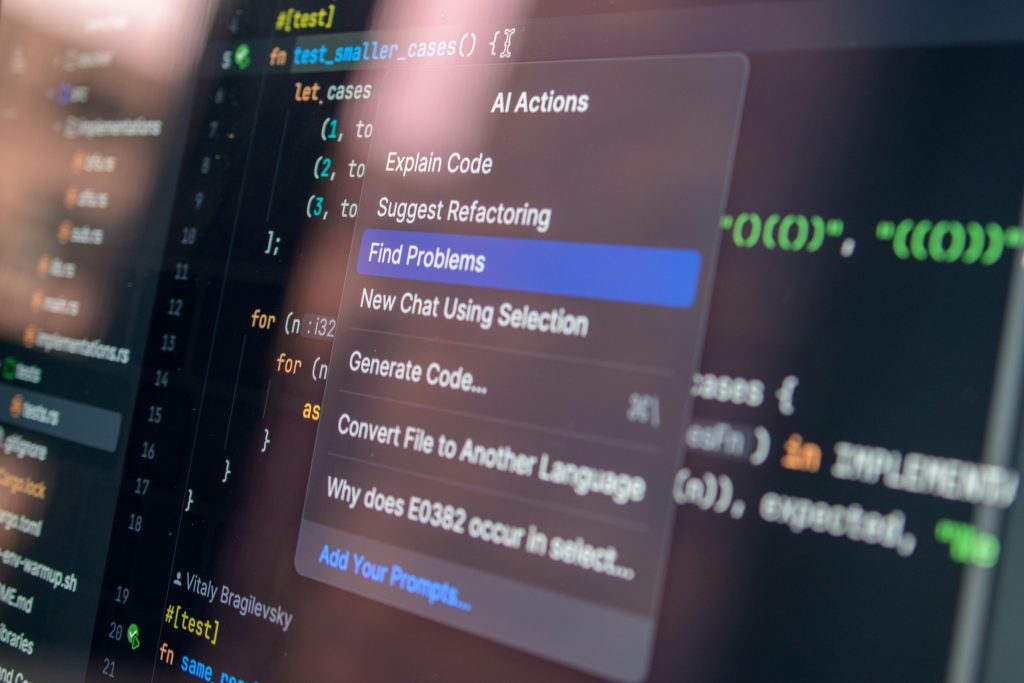
Close-up of AI-assisted coding with menu options for debugging and problem-solving.

Artificial intelligence is no longer viewed as an emerging technology experiment. Across industries ranging from finance and healthcare to manufacturing and retail, businesses are moving beyond proof-of-concept initiatives and beginning to integrate AI into core operations.

The shift marks a significant turning point for the global technology sector. While the first wave of AI enthusiasm focused largely on consumer-facing tools and chatbot platforms, the current phase is increasingly centered on enterprise productivity, infrastructure investment, and long-term digital transformation.

Industry analysts believe this transition could become one of the most important technology stories of 2026

Businesses Increase AI Spending Despite Economic Uncertainty

Corporate technology budgets remain under pressure in many regions due to inflation concerns, higher borrowing costs, and slower economic growth. However, AI spending continues to stand out as a priority area.

Executives increasingly view artificial intelligence as a strategic investment rather than an optional technology initiative.

Companies are deploying AI systems to:

  • Improve operational efficiency
  • Automate repetitive processes
  • Enhance customer support
  • Analyze large datasets
  • Improve forecasting and decision-making

Technology consultants report that organizations are asking fewer questions about whether AI works and more questions about how quickly it can be integrated into existing business systems.

This change in mindset is driving demand across multiple segments of the technology industry

Cloud Providers Benefit from Enterprise Demand

One of the biggest beneficiaries of enterprise AI adoption is the cloud computing sector.

Modern AI applications require significant computing resources, data storage capabilities, and advanced networking infrastructure. As a result, businesses are increasingly relying on cloud platforms to support AI deployment.

Industry observers note that many organizations prefer cloud-based AI solutions because they reduce upfront infrastructure costs and allow faster implementation.

The growing relationship between AI and cloud computing is encouraging technology providers to expand data center capacity and develop specialized services designed specifically for enterprise AI workloads.

This trend is expected to continue throughout the remainder of 2026 as adoption expands across additional industries

The U.S. Remains a Center of AI Investment

The United States continues to play a leading role in artificial intelligence development and deployment.

American businesses remain among the largest purchasers of AI software, cloud infrastructure, and advanced computing technologies.

Several factors contribute to this position:

  • Strong technology ecosystem
  • Access to capital
  • Mature cloud infrastructure
  • High concentration of technology talent

Industry experts believe enterprise AI spending within the United States will remain a major growth driver for the global technology market over the coming years.

At the same time, increasing investment activity is being observed across Europe, Asia, and the Middle East as governments and private companies seek to strengthen digital competitiveness

Semiconductor Demand Continues Rising

The rapid growth of AI deployment is also supporting demand throughout the semiconductor industry.

Enterprise AI systems require powerful processors capable of handling increasingly complex workloads.

As organizations deploy larger AI models and process greater volumes of data, demand for advanced computing hardware continues increasing.

Technology manufacturers are responding by expanding production capacity and accelerating research into next-generation chips optimized for AI applications.

Industry analysts suggest that AI-related demand could remain one of the strongest drivers of semiconductor industry growth throughout the second half of the decade

AI Skills Become a Competitive Advantage

As AI adoption expands, workforce development has become a major priority for businesses.

Organizations are increasingly investing in employee training programs designed to help workers understand AI tools and integrate them into daily workflows.

Technology recruiters report continued demand for professionals with expertise in:

  • Machine learning
  • Data engineering
  • Cloud computing
  • Cybersecurity
  • AI governance

At the same time, many employers are focusing on reskilling existing employees rather than relying exclusively on external hiring.

Industry leaders argue that successful AI adoption depends as much on workforce readiness as it does on technological capability

Regulatory Discussions Continue Expanding

Governments worldwide continue evaluating policies related to artificial intelligence.

Key areas of focus include:

  • Data privacy
  • Consumer protection
  • AI transparency
  • Security standards
  • Intellectual property rights

Technology companies are adapting product strategies to address evolving regulatory requirements while continuing to pursue innovation opportunities.

Industry observers note that trust and responsible implementation practices are becoming increasingly important factors influencing enterprise adoption decisions.

Businesses seeking to deploy AI at scale must balance innovation with compliance and risk management considerations

Global Outlook for the AI Economy

Looking ahead, analysts expect enterprise adoption to become one of the defining trends shaping the future of artificial intelligence.

While consumer-facing applications continue attracting public attention, long-term market growth may increasingly depend on business adoption, infrastructure development, and operational integration.

Organizations around the world are moving from experimentation to implementation, creating sustained demand for software, cloud services, data centers, and advanced computing technologies.

As this transition continues, artificial intelligence is becoming less of a standalone technology trend and more of a foundational component of the global digital economy

Our Take

The most important AI development of 2026 is not the launch of a new chatbot or application. Instead, it is the growing commitment by businesses worldwide to integrate artificial intelligence into everyday operations. As enterprise adoption accelerates, the companies providing infrastructure, cloud services, and AI tools may become some of the most influential players shaping the next phase of global technology growth.


Alex Chen has covered the global technology industry for more than eight years, focusing on artificial intelligence, cloud computing, enterprise software, and digital transformation trends

Enterprise AI Adoption Accelerates as Global Businesses Shift from Testing to Large-Scale Deployment Read More »

Apple’s Foldable iPhone Project Reportedly Enters Advanced Testing Stage Ahead of Possible 2027 Launch

Editor’s Note: Apple has been making big moves in the tech world recently. In this article, we break down the latest news and what it means for Apple users

Open iPhone with repair tools and laptop, showcasing DIY battery replacement process.

Apple’s long-rumored foldable iPhone project is once again becoming one of the most discussed topics across the global smartphone industry after multiple supply chain reports suggested the company has entered a more advanced prototype testing phase during 2026.

Although Apple has not officially confirmed the existence of a foldable iPhone, growing evidence from component suppliers, display manufacturers, and industry analysts indicates the company is accelerating development as competition in the foldable smartphone market continues intensifying.

For years, foldable devices remained a relatively niche category dominated primarily by Samsung and several Chinese smartphone brands. However, industry observers believe Apple’s eventual entry into the market could dramatically reshape consumer adoption and significantly expand mainstream interest in foldable devices worldwide.

The possibility of a foldable iPhone has also triggered major discussion among investors, app developers, smartphone manufacturers, and Apple users who are increasingly curious about how Apple may approach one of the industry’s most technically challenging hardware categories.

Apple Has Been Studying Foldable Technology for Years

Reports surrounding Apple’s foldable device research have circulated for nearly a decade.

The company has reportedly tested multiple foldable concepts internally, including:

  • book-style foldables
  • clamshell foldables
  • hybrid tablet-phone designs
  • flexible OLED displays
  • dual-screen prototypes

However, unlike several competitors that rushed products into the market early, Apple appears to have taken a significantly slower and more cautious approach.

This strategy reflects Apple’s broader product philosophy.

Historically, Apple rarely attempts to become the first company to launch a new hardware category. Instead, the company typically focuses on entering markets later with more refined software integration, improved hardware reliability, and stronger ecosystem optimization.

Several analysts believe Apple intentionally delayed foldable development because earlier generations of foldable smartphones still faced major limitations involving:

  • display durability
  • visible screen creases
  • hinge reliability
  • battery efficiency
  • app optimization
  • device thickness

Apple reportedly wanted foldable technology to mature further before launching its own product.

Foldable Smartphones Are Finally Becoming More Mainstream

When Samsung first introduced foldable Galaxy devices years ago, many consumers viewed foldables as experimental products aimed mainly at technology enthusiasts.

However, the market has evolved significantly since then.

Foldable smartphones have gradually improved in:

  • hinge durability
  • display quality
  • multitasking features
  • water resistance
  • battery life
  • overall reliability

At the same time, prices have slowly become more competitive.

Several Android manufacturers now view foldables as one of the most important premium smartphone categories moving forward.

Chinese brands including Huawei, Honor, Xiaomi, OPPO, and Vivo have aggressively expanded foldable lineups across Asian and European markets.

Samsung meanwhile continues investing heavily in Galaxy Fold and Flip devices as part of its long-term strategy to maintain leadership in premium Android hardware.

As competition intensifies, industry analysts increasingly believe foldables may eventually become a standard flagship category rather than a niche experiment.

This broader market maturity is one reason why Apple’s timing may now align more closely with a commercial launch window.

Apple’s Biggest Challenge May Not Be Hardware

Although foldable displays and hinges remain technically difficult to engineer, many industry observers believe Apple’s largest challenge could involve software adaptation rather than hardware itself.

iOS was originally designed around traditional smartphone form factors.

A foldable iPhone would require significant changes involving:

  • multitasking behavior
  • app scaling
  • interface transitions
  • gesture navigation
  • split-screen functionality
  • keyboard adaptation
  • video playback optimization

Unlike Android, which already supports many foldable features across multiple manufacturers, Apple would need to redesign portions of iOS specifically for flexible displays.

Several reports suggest Apple engineers are currently working on advanced multitasking systems capable of dynamically adapting depending on device orientation and screen configuration.

If successful, Apple could potentially use software optimization as one of its main competitive advantages.

Historically, Apple’s ecosystem integration often allowed the company to compete effectively even when rivals introduced hardware innovations earlier.

Display Technology Is Reportedly a Major Focus

One of the biggest technical issues surrounding foldables has always been display durability.

Early foldable devices faced criticism for:

  • fragile screens
  • crease visibility
  • scratch sensitivity
  • hinge pressure damage

Apple reportedly remains heavily focused on solving these problems before any commercial release.

Several supply chain discussions throughout 2026 suggested Apple has been testing newer ultra-thin glass technologies and improved flexible OLED materials designed to reduce visible creasing while improving long-term durability.

Display suppliers in South Korea are also reportedly competing for future Apple foldable contracts, particularly as Apple attempts to secure large-scale production capacity capable of meeting iPhone-level global demand.

If Apple enters the foldable market, demand for flexible display components could rise dramatically across the entire supply chain.

Counterpoint reports that Apple holds 28% of the global smartphone market share, up 2% from last year

Foldable iPhones Could Reshape the Premium Smartphone Market

The premium smartphone segment has experienced slower innovation cycles in recent years

While modern flagship devices continue improving cameras and processors annually, many consumers feel smartphone upgrades have become increasingly incremental.

Foldables represent one of the few remaining hardware categories capable of creating a significantly different user experience.

Industry analysts believe Apple’s eventual entry could:

  • increase mainstream awareness
  • accelerate foldable app development
  • encourage additional competition
  • push more consumers toward premium devices

Some market observers also believe Apple may attempt to position foldables as productivity-focused devices rather than purely entertainment products.

This could allow Apple to integrate foldable iPhones more closely with:

  • iPad workflows
  • macOS continuity
  • Apple Pencil functionality
  • AI productivity systems
  • multitasking tools

Such integration would fit Apple’s broader ecosystem strategy.

A 31-year-old teacher in Chicago told KNGDEA that she recently bought a mid-range phone instead of a flagship. “I don’t need all the fancy features, and I saved $400 that I can use for other things,” she said.

Close-up of a hand holding a modern black flip smartphone, ideal for tech and lifestyle concepts.

Pricing Could Become a Major Controversy

One of the biggest concerns surrounding a foldable iPhone involves pricing.

Current foldable smartphones remain expensive compared to traditional flagship devices.

Several analysts expect Apple’s first foldable iPhone could potentially launch above:

  • $1,800
  • or even $2,000 depending on configuration

This would place the device among the most expensive mainstream smartphones Apple has ever released.

Some consumers argue foldables still do not provide enough practical advantages to justify such high prices.

Others believe Apple users may still be willing to pay premium pricing if the company successfully delivers:

  • better durability
  • smoother software
  • improved battery life
  • stronger app optimization
  • tighter ecosystem integration

Pricing strategy may ultimately determine how quickly foldable devices gain mainstream traction.

AI Integration Could Play a Major Role

Artificial intelligence is also expected to influence Apple’s foldable strategy.

As smartphones evolve toward AI-centric experiences, larger foldable displays could become useful for:

  • AI-generated content editing
  • multitasking
  • productivity workflows
  • contextual assistance
  • advanced media creation

Several analysts believe future foldable devices may increasingly function as hybrid productivity systems rather than traditional smartphones.

Apple’s growing investment into Apple Intelligence and on-device AI processing could therefore align naturally with larger foldable interfaces.

This would also help Apple differentiate foldables beyond hardware novelty alone.

App Developers Are Already Watching Closely

Even without official confirmation, developers are already discussing how foldable iPhones could affect the App Store ecosystem.

Foldable devices may require:

  • redesigned layouts
  • adaptive interfaces
  • new multitasking support
  • advanced media optimization
  • productivity-focused workflows

Some developers believe Apple’s entrance could finally push foldable software optimization into the mainstream.

Android foldables currently suffer from inconsistent app experiences because many developers still prioritize traditional smartphone aspect ratios.

Apple’s tighter ecosystem control may help standardize foldable software experiences more effectively.

Final Thoughts

Apple’s foldable iPhone project appears to be moving closer toward reality as the global smartphone market continues evolving beyond traditional hardware designs.

Although foldable technology still faces important challenges involving pricing, durability, and software adaptation, industry momentum surrounding the category continues growing rapidly.

If Apple ultimately enters the foldable market, the company could dramatically accelerate mainstream adoption while reshaping the next phase of premium smartphone competition.

For now, the foldable iPhone remains one of the technology industry’s most closely watched future products — and one that could significantly influence the direction of smartphones over the next decade

Our take: AI is the future of Android phones, but we’re still in the early days. Most current features are more hype than substance, but we expect to see much more useful AI tools in the next 1-2 years

Apple’s Foldable iPhone Project Reportedly Enters Advanced Testing Stage Ahead of Possible 2027 Launch Read More »

OpenAI Faces Growing Pressure in 2026 as AI Industry Shifts From Hype to Real Consumer Competition

Editor’s Note: Artificial intelligence is changing the tech industry faster than ever. In this article, we look at the latest developments and what they mean for the future

Close-up of a smartphone displaying ChatGPT app held over AI textbook.

The artificial intelligence industry is entering a major transitional phase in 2026 as companies move beyond early AI hype and begin competing through real-world consumer products, ecosystem integration, and long-term profitability.

At the center of this shift is OpenAI, the company that helped trigger the global generative AI explosion after the release of ChatGPT. Over the past two years, OpenAI transformed from a relatively niche research organization into one of the most influential technology companies in the world.

However, the competitive landscape surrounding AI is now changing rapidly.

What was once a market dominated primarily by excitement and experimentation is increasingly becoming an aggressive commercial battleground involving:

  • Google
  • Microsoft
  • Apple
  • Meta
  • Amazon
  • Anthropic
  • xAI
  • Chinese AI startups
  • smartphone manufacturers
  • cloud computing companies

As the industry matures, OpenAI is facing mounting pressure not only to remain technologically competitive, but also to prove that its products can maintain long-term consumer dominance in an environment where nearly every major technology company is racing to build its own AI ecosystem.

ChatGPT Changed Consumer Technology Faster Than Most Companies Expected

When ChatGPT first gained mainstream attention, many analysts initially believed generative AI would remain limited to productivity experiments and enterprise tools.

Instead, adoption accelerated at a pace rarely seen in modern technology history.

Within a relatively short period of time, AI systems became integrated into:

  • smartphones
  • web browsers
  • search engines
  • office software
  • social media platforms
  • coding tools
  • customer service systems
  • online education
  • marketing platforms
  • e-commerce services

The speed of adoption caught many traditional technology companies off guard.

Executives across Silicon Valley quickly realized AI was no longer simply another software trend. Instead, it represented a potentially fundamental shift in how users interact with digital products.

This realization triggered one of the largest technology investment races in recent memory.

OpenAI Is No Longer Competing Only With Chatbots

One of the biggest changes happening in 2026 is that the AI industry is expanding beyond simple chatbot experiences.

Early consumer interest focused heavily on conversational AI interfaces capable of answering questions and generating text. However, the market is now rapidly evolving toward deeper ecosystem integration.

Modern AI competition increasingly involves:

  • operating systems
  • smartphone assistants
  • search infrastructure
  • cloud services
  • productivity automation
  • content generation
  • enterprise integration
  • video creation
  • personalized recommendation systems
  • AI-powered workflows

As a result, OpenAI is no longer competing solely against other chatbot developers.

The company is now competing against entire technology ecosystems.

Google is integrating Gemini deeply into Android and Search.

Microsoft continues embedding AI across Windows and Office products.

Apple is preparing larger Apple Intelligence and Siri upgrades across iOS.

Meta is aggressively integrating AI into social platforms and smart devices.

Meanwhile, Chinese technology companies are rapidly accelerating development of domestic AI ecosystems designed to compete globally.

This broader industry shift is dramatically increasing competitive pressure.

OpenAI’s Partnership With Microsoft Remains Critically Important

Despite growing competition, OpenAI continues benefiting from one of the most influential partnerships in the technology industry: Microsoft.

Microsoft’s investment in OpenAI helped accelerate large-scale infrastructure development, cloud deployment, and enterprise adoption.

Today, OpenAI technology is deeply connected to several Microsoft products, including:

  • Microsoft Copilot
  • Azure AI services
  • enterprise productivity tools
  • coding assistants
  • cloud AI infrastructure

The partnership has significantly strengthened OpenAI’s position in the enterprise market.

However, some analysts believe Microsoft’s growing internal AI ambitions may eventually create strategic tensions between the two companies.

As AI becomes increasingly central to future computing platforms, large technology firms may become less willing to depend heavily on external AI providers for core infrastructure.

Several industry observers believe long-term competition between major AI ecosystems could eventually reshape existing partnerships across Silicon Valley.

The AI Industry Is Rapidly Moving Toward Ecosystem Lock-In

One of the most important trends emerging in 2026 is ecosystem consolidation.

Rather than competing only through model quality, technology companies are increasingly trying to keep users inside their own AI ecosystems.

This includes integration across:

  • mobile operating systems
  • cloud storage
  • productivity tools
  • smart assistants
  • search platforms
  • browsers
  • hardware devices
  • wearable technology
  • smart home products

The goal is to make AI services more deeply embedded into everyday digital life.

For example:

  • Google wants Gemini integrated across Android and Search.
  • Apple is integrating AI into iPhones and ecosystem services.
  • Microsoft is embedding Copilot into work environments.
  • Meta is expanding AI across social media and communication platforms.

This creates a major challenge for OpenAI.

Although ChatGPT remains extremely popular, maintaining long-term dominance may become increasingly difficult if competitors control the operating systems and hardware environments where users spend most of their time.

Several analysts believe the future AI market may ultimately resemble the smartphone industry, where ecosystem strength becomes more important than standalone applications.

According to Bloomberg, global AI spending will reach $1.3 trillion in 2026, up 45% from 2025

AI Infrastructure Costs Are Becoming a Growing Concern

Another major challenge facing the AI industry involves infrastructure expenses.

Running advanced generative AI systems requires enormous amounts of:

  • computing power
  • GPUs
  • electricity
  • cloud infrastructure
  • cooling systems
  • data center capacity

As consumer usage grows globally, maintaining large-scale AI services becomes increasingly expensive.

Industry reports throughout 2026 continue highlighting rising operational costs associated with training and serving advanced AI models.

This has raised growing questions regarding long-term profitability across the AI sector.

Several technology companies are now searching for ways to:

  • improve inference efficiency
  • reduce computational requirements
  • optimize hardware usage
  • shift certain AI processing onto local devices

The rise of on-device AI in smartphones and PCs is partially connected to these cost concerns.

If more AI tasks can run locally, companies may reduce dependence on expensive cloud infrastructure.

Consumer Expectations Around AI Are Also Changing

Another major shift in 2026 involves changing consumer expectations.

During the early AI boom, many users were primarily impressed by the novelty of conversational AI systems.

Now expectations are becoming significantly higher.

Consumers increasingly expect AI to:

  • understand context
  • remember preferences
  • interact across apps
  • provide accurate information
  • generate high-quality content
  • integrate naturally into workflows
  • operate reliably in real-world situations

As AI systems become more common, users are also becoming more critical.

Technology forums and social media discussions increasingly focus on:

  • hallucinations
  • misinformation
  • privacy concerns
  • subscription costs
  • copyright issues
  • AI reliability
  • content quality

This growing scrutiny is forcing AI companies to improve products more rapidly while also managing public trust.

Regulation and Copyright Debates Continue Intensifying

Governments worldwide are continuing to examine how artificial intelligence should be regulated.

Several major debates remain unresolved, including:

  • AI training data usage
  • copyright protection
  • misinformation
  • deepfake content
  • privacy rights
  • labor market impact
  • AI transparency

OpenAI and other major AI companies are now operating under significantly greater regulatory attention than during the earlier stages of the AI boom.

Media organizations, artists, publishers, and content creators have also raised concerns regarding how AI systems are trained using online material.

As a result, legal and regulatory pressure surrounding generative AI is expected to continue increasing throughout the next several years.

A 36-year-old small business owner in Miami told KNGDEA that he was disappointed with the AI features on his new phone. “Most of them are gimmicks that I never use. I wish manufacturers would focus more on battery life,” he said

OpenAI Is Expanding Beyond Text Generation

To remain competitive, OpenAI is aggressively expanding into additional AI categories beyond traditional chat interfaces.

Recent industry developments show increasing focus on:

  • AI video generation
  • multimodal interaction
  • voice systems
  • autonomous AI agents
  • image generation
  • software automation
  • enterprise workflow tools

Several analysts believe the future AI market may eventually revolve around AI systems capable of performing complex tasks independently rather than simply responding to prompts.

This could dramatically reshape:

  • office work
  • software development
  • online education
  • digital marketing
  • customer support
  • media production

OpenAI appears determined to position itself at the center of this transition.

Smartphone AI Could Become One of OpenAI’s Biggest Growth Opportunities

Mobile integration may become one of the most important long-term opportunities for OpenAI.

Recent reports suggest increasing collaboration between AI companies and smartphone manufacturers as mobile operating systems evolve toward AI-centric experiences.

As consumers spend more time on smartphones than traditional computers, mobile AI integration could become critical for long-term market dominance.

Several analysts believe future smartphones may function as continuously active AI companions capable of:

  • managing schedules
  • generating content
  • organizing information
  • automating communication
  • understanding user behavior
  • interacting across services

This could fundamentally reshape how people use digital devices.

OpenAI’s future role within mobile ecosystems may therefore become increasingly important in determining whether the company can maintain leadership as AI competition intensifies.

Public Excitement Around AI Remains Extremely High

Despite growing concerns and competition, public interest surrounding AI remains extraordinarily strong.

Search trends, social media engagement, startup funding, and enterprise investment continue showing massive global interest in generative AI technologies.

Many consumers now view AI tools as essential productivity platforms rather than experimental software.

Businesses across multiple industries are also accelerating AI adoption in order to improve efficiency, reduce costs, and automate repetitive tasks.

This sustained momentum suggests artificial intelligence will likely remain one of the defining technology sectors of the decade.

Our take: AI is changing every industry, and smartphones are no exception. While there’s a lot of hype right now, the long-term potential is enormous. We expect AI to become an essential part of our daily lives in the next few years

Final Thoughts

OpenAI helped trigger one of the largest technological shifts in recent history, but the company is now entering a far more competitive phase of the AI industry.

What began as excitement around conversational chatbots is rapidly evolving into a larger battle over ecosystems, infrastructure, operating systems, enterprise integration, and consumer attention.

As Google, Apple, Microsoft, Meta, and global AI startups continue accelerating development, the next stage of the AI race may depend less on who launched first and more on which companies can successfully integrate artificial intelligence into everyday digital life at massive scale.

The AI industry is no longer operating in an experimental phase.

In 2026, it is becoming one of the most important commercial and strategic battlegrounds in global technology.

OpenAI Faces Growing Pressure in 2026 as AI Industry Shifts From Hype to Real Consumer Competition Read More »

Google Pushes Gemini Deeper Into Android as Smartphone AI Competition Intensifies in 2026

Editor’s Note: This week, Google Pushes Gemini Deeper Into Android as Smartphone AI Competition Intensifies in 2026has been making headlines in the Android industry. In this article, we break down what it means for consumers and manufacturers

An African American woman working remotely on a laptop featuring an Android sticker in a bright office.

Google is rapidly expanding Gemini AI across the Android ecosystem as competition in the smartphone industry increasingly shifts toward artificial intelligence, software integration, and intelligent mobile assistants.

Over the past few months, Google has accelerated the rollout of Gemini-powered features across Android phones, tablets, Google Workspace products, and search-related services. The company is now positioning Gemini as one of the central parts of the Android experience ahead of Android 17 and future Pixel launches.

The move comes at a time when nearly every major smartphone manufacturer is attempting to strengthen its AI strategy. Samsung continues expanding Galaxy AI across more devices, Chinese brands are integrating their own large language models into mobile systems, and Apple is facing growing pressure to improve Siri and Apple Intelligence ahead of WWDC 2026.

As competition intensifies, Android is becoming one of the biggest battlegrounds in the global AI race.

Google Wants Android to Become an “AI-First” Platform

For years, Android primarily focused on customization, hardware compatibility, and app ecosystems. However, Google’s recent strategy shows the company now wants Android to evolve into what executives describe internally as an “AI-first computing platform.”

Instead of users manually switching between apps and services, Gemini is being integrated directly into Android workflows.

Recent demonstrations and feature rollouts showed Gemini handling tasks such as:

  • summarizing emails
  • organizing notes
  • generating replies
  • searching through screenshots
  • managing schedules
  • interacting across multiple apps
  • assisting with voice commands
  • providing contextual recommendations

Unlike traditional smartphone assistants, Gemini is designed to function more like an active AI layer operating throughout the entire Android system.

Several technology analysts believe Google’s long-term goal is to transform smartphones into continuously assisting AI devices capable of understanding user behavior, preferences, and context in real time.

According to Counterpoint Research’s May 2026 report, Android holds 72% of the global smartphone market share

Gemini Integration Is Expanding Beyond Pixel Phones

Although Google initially focused Gemini development on Pixel devices, the company is now aggressively pushing AI features into the broader Android ecosystem.

Samsung recently deepened Gemini integration inside Galaxy devices, while additional Android manufacturers are expected to introduce Gemini-powered functions later this year.

Industry sources suggest Google is working closely with hardware partners to optimize on-device AI performance using newer mobile chipsets from:

  • Qualcomm
  • MediaTek
  • Samsung Exynos

This partnership strategy allows Google to spread Gemini much faster across the Android market compared to relying only on Pixel phones.

At the same time, it also helps Android manufacturers compete against Apple’s tightly controlled ecosystem approach.

Android Manufacturers Are Racing to Differentiate Through AI

The smartphone industry is now experiencing one of its largest shifts in years.

For a long time, companies competed mostly through:

  • camera quality
  • display technology
  • processor speed
  • battery life

While those areas remain important, AI capabilities are quickly becoming one of the biggest selling points for smartphones in 2026.

Manufacturers are increasingly marketing features such as:

  • AI photo editing
  • live translation
  • smart writing tools
  • automatic summaries
  • AI wallpapers
  • voice assistants
  • productivity automation
  • AI search systems

Several Android brands are also pushing AI into mid-range devices rather than limiting the technology only to expensive flagship phones.

Analysts believe this trend could dramatically increase global AI adoption over the next two years.

Gemini’s Deep Android Integration Is Raising Privacy Questions

As Google expands Gemini integration across Android, privacy discussions are becoming more intense.

Modern AI systems often require access to:

  • emails
  • messages
  • browsing activity
  • location information
  • app usage patterns
  • personal preferences

Critics argue that increasingly intelligent mobile assistants may require technology companies to collect and process larger amounts of user data than ever before.

Google has repeatedly stated that privacy protections remain part of Gemini development and that some AI tasks can now be processed directly on-device rather than entirely through cloud servers.

However, many users remain cautious about how deeply AI systems are becoming integrated into daily smartphone usage.

Privacy experts also warn that future AI assistants capable of understanding personal habits and behavior patterns could create new long-term concerns surrounding surveillance and data security.

Android 17 Is Expected to Focus Heavily on AI Features

Multiple reports surrounding Android 17 suggest artificial intelligence will become one of the operating system’s biggest priorities.

Expected areas of improvement include:

  • smarter notifications
  • adaptive battery optimization
  • contextual app suggestions
  • AI-powered multitasking
  • enhanced voice interaction
  • system-wide search improvements
  • deeper Gemini integration

Some reports also suggest Google may allow Gemini to perform more advanced cross-app actions automatically with minimal user input.

If implemented successfully, these changes could significantly alter how users interact with Android devices on a daily basis.

Several analysts believe future smartphones may gradually evolve into AI companions rather than traditional mobile operating systems.

A 25-year-old student in Seattle told KNGDEA that she’s considering switching from iPhone to Android. “Android has better AI features now, and the phones are much more affordable,” she said

Competition Between Google, Samsung, and Apple Is Intensifying

The mobile AI race is now becoming increasingly competitive among the largest technology companies in the world.

Samsung continues promoting Galaxy AI as a core selling point across its flagship devices.

Apple is reportedly preparing major Siri and Apple Intelligence upgrades ahead of WWDC 2026.

Meanwhile, Google appears determined to move fastest by deeply integrating Gemini across nearly every part of the Android ecosystem.

Industry observers believe the next phase of smartphone competition will depend heavily on:

  • AI ecosystems
  • software intelligence
  • personalized assistance
  • cross-device integration

rather than hardware specifications alone.

This represents one of the biggest strategic shifts the smartphone industry has seen since the rise of app ecosystems more than a decade ago.

Users Are Divided on the Future of AI Smartphones

Despite rapid AI expansion, public opinion remains divided.

Some users are excited about:

  • smarter automation
  • productivity improvements
  • easier multitasking
  • more natural voice interaction

Others worry smartphones may become:

  • overly dependent on AI
  • less private
  • more distracting
  • harder to control manually

Technology forums and social media discussions show growing debate around whether AI assistants genuinely improve user experience or simply create additional complexity.

This debate is expected to continue as AI becomes more deeply integrated into daily digital life.

Our take: AI is the future of Android phones, but we’re still in the early days. Most current features are more hype than substance, but we expect to see much more useful AI tools in the next 1-2 years

Final Thoughts

Google’s aggressive Gemini expansion highlights how rapidly artificial intelligence is reshaping the Android ecosystem and the broader smartphone industry.

What was once viewed as an experimental software feature is now becoming central to how major technology companies compete for users, developers, and long-term platform dominance.

As Android 17 approaches and AI competition intensifies across the industry, the next generation of smartphones may depend less on hardware innovation and more on how intelligently devices can assist users in everyday life.

Google Pushes Gemini Deeper Into Android as Smartphone AI Competition Intensifies in 2026 Read More »

TikTok Faces Growing Pressure as More Countries Consider New Restrictions

Editor’s Note: This week, TikTok Faces Growing Pressure as More Countries Consider New Restrictions has been making headlines across the global technology industry. In this article, we break down what’s happening and what it means for consumers and businesses

Close-up of a person interacting with TikTok content on a laptop indoors.

TikTok is once again facing increasing pressure from governments around the world as concerns about data privacy, online influence, and platform security continue to grow.

Several countries have recently discussed new restrictions targeting the short-video platform, while lawmakers in multiple regions are debating whether tighter regulations are necessary for social media companies operating internationally.

The renewed attention highlights how TikTok remains one of the most controversial technology platforms despite its enormous global popularity.

TikTok Continues to Dominate Short Video Content

Over the past few years, TikTok has become one of the most downloaded mobile applications in the world. Its recommendation algorithm and short-form video format completely changed how millions of users consume online content daily.

The platform’s influence extends far beyond entertainment. Businesses, influencers, musicians, and even news organizations now rely heavily on TikTok for audience growth and online visibility.

For younger users especially, short videos have increasingly replaced traditional search engines and long-form media consumption.

Industry analysts believe TikTok’s success also forced major competitors like Instagram, YouTube, and Snapchat to push harder into short-video content.

Governments Are Raising New Privacy Concerns

Despite its rapid growth, TikTok has faced repeated criticism regarding user data handling and platform security.

Officials in several countries argue that social media platforms should provide clearer information about how user data is collected, stored, and potentially shared.

Some lawmakers also expressed concerns about the influence recommendation algorithms may have on public opinion, especially among younger audiences.

While TikTok has repeatedly denied accusations of improper data sharing, political pressure surrounding the platform continues increasing in multiple regions.

In recent months, discussions around stricter digital platform regulations have intensified as governments attempt to gain more control over large technology companies.

Businesses and Creators Still Depend Heavily on TikTok

Even as regulatory pressure grows, TikTok remains extremely important for online creators and businesses.

Many small companies rely on viral videos to reach customers without spending large amounts on advertising. In some industries, TikTok exposure can generate massive traffic within only a few hours.

Content creators are also continuing to prioritize TikTok because of its strong recommendation system, which can help unknown accounts gain visibility faster compared to traditional social media platforms.

Marketing experts say the platform remains one of the most effective tools for reaching younger audiences globally.

Because of this, many businesses are carefully watching ongoing regulatory developments that could potentially impact future platform access.

Competitors Are Trying to Benefit From Uncertainty

As TikTok faces increasing scrutiny, competing platforms are attempting to attract creators and advertisers.

Instagram Reels, YouTube Shorts, and Snapchat Spotlight continue expanding creator programs and monetization opportunities in hopes of reducing TikTok’s market dominance.

Several technology analysts believe the short-video industry could become even more competitive if future restrictions affect TikTok’s operations in certain countries.

However, despite strong competition, TikTok’s user engagement levels remain extremely high compared to many rival platforms.

A recent Pew Research survey found that 97% of Americans now own a smartphone, and 85% own a laptop or desktop computer

The Debate Around Social Media Regulation Is Expanding

The growing pressure on TikTok is also part of a much larger global debate around social media regulation.

Governments are increasingly concerned about:

  • online misinformation
  • youth mental health
  • data privacy
  • recommendation algorithms
  • platform influence

As social media becomes more deeply connected to politics, business, and public communication, regulators are pushing for stricter oversight of major digital platforms.

Technology companies, meanwhile, argue that excessive regulation could limit innovation and reduce freedom of online expression.

The balance between security, privacy, and open internet access remains one of the biggest challenges facing the technology industry today.

Users Continue Using the Platform Despite Controversy

Interestingly, public controversy has not significantly reduced TikTok’s popularity.

Many users continue spending hours daily on the platform, while trends, viral challenges, and influencer content remain highly active.

For younger generations especially, TikTok has become deeply integrated into everyday digital culture.

This strong user loyalty is one reason why governments and competitors continue paying close attention to the platform’s influence.

Our take: The tech industry is constantly evolving, and companies that don’t adapt quickly will be left behind. We’re seeing a lot of disruption right now, which is creating both challenges and opportunities

Final Thoughts

TikTok’s ongoing regulatory challenges show how social media platforms are increasingly becoming political and economic issues rather than simple entertainment applications.

While governments continue debating new restrictions and privacy concerns, the platform remains one of the most influential apps in the global technology industry.

The coming years will likely determine whether TikTok can maintain its dominance as pressure from regulators, competitors, and lawmakers continues to grow.

TikTok Faces Growing Pressure as More Countries Consider New Restrictions Read More »

Apple Accelerates iOS AI Development Ahead of WWDC 2026 as Pressure Around Siri Continues Growing

Editor’s Note: This week, Apple Accelerates iOS AI Development Ahead of WWDC 2026 as Pressure Around Siri Continues Growing has been making headlines in the Android industry. In this article, we break down what it means for consumers and manufacturers.

Top view of Apple devices including AirPods, iPhone, and MacBook on a wooden surface

Apple is entering one of the most important periods in its recent software history as the company prepares for WWDC 2026 amid growing criticism surrounding Siri, Apple Intelligence, and the broader pace of its AI development.

Over the past year, the global smartphone industry has rapidly shifted toward artificial intelligence. Google has aggressively integrated Gemini AI across Android devices, Samsung continues expanding Galaxy AI features into more phones, and Chinese smartphone manufacturers are pushing their own AI ecosystems into both flagship and mid-range devices.

Apple, however, has taken a noticeably slower approach.

While the company introduced “Apple Intelligence” during earlier software announcements, many iPhone users and industry analysts believe Apple still lacks a truly competitive AI assistant compared to rivals currently dominating the conversation around mobile AI.

The growing pressure has now turned WWDC 2026 into one of Apple’s most closely watched developer conferences in years.

Siri Is Becoming One of Apple’s Biggest Weak Points

For years, Siri was considered one of the most recognizable smartphone assistants in the market. However, the AI boom over the past two years has dramatically changed user expectations.

Modern users now expect AI systems capable of:

  • understanding context
  • handling multi-step tasks
  • summarizing information
  • generating natural responses
  • interacting across apps
  • learning user behavior

Compared to systems like Google Gemini and ChatGPT integrations, Siri has increasingly been criticized for feeling outdated and limited.

On Reddit, X, and Apple discussion forums, many users have complained that Siri still struggles with relatively simple requests, often failing to understand natural language or requiring overly specific commands.

Several recent reports from Apple-focused media outlets suggest internal development challenges have delayed some advanced Siri upgrades that were initially expected to arrive earlier in 2026.

According to industry discussions, Apple engineers are reportedly rebuilding large parts of Siri’s backend infrastructure in order to support more advanced AI functionality in future iOS versions.

IDC’s latest data shows that mid-range Android phones accounted for 65% of all smartphone sales in Q1 2026

Apple Intelligence Is Expanding Across iOS

Despite criticism surrounding Siri, Apple has quietly continued expanding AI-powered features across iOS.

Recent updates introduced:

  • smarter writing suggestions
  • automatic email summaries
  • AI-assisted notification organization
  • image editing improvements
  • voice transcription enhancements
  • contextual recommendations

Apple has also continued emphasizing on-device AI processing as one of its major advantages.

Unlike several competitors that depend heavily on cloud computing, Apple is attempting to process more AI tasks directly on iPhones whenever possible. The company argues this approach improves:

  • privacy
  • response speed
  • battery optimization
  • security

This strategy aligns closely with Apple’s long-standing focus on user privacy, which remains one of the company’s biggest marketing advantages.

However, some analysts believe Apple’s strict privacy requirements may also be slowing the company’s ability to release more advanced generative AI systems at the same pace as competitors.

WWDC 2026 Could Define Apple’s AI Direction

Industry attention is now heavily focused on WWDC 2026, where Apple is expected to reveal additional AI-related upgrades across iOS, iPadOS, and macOS.

Several leaks and analyst reports suggest Apple may announce:

  • a redesigned Siri experience
  • deeper AI integration across apps
  • smarter Spotlight search
  • enhanced productivity automation
  • AI-powered Safari tools
  • system-wide contextual assistance

Some reports also indicate Apple may allow third-party AI integrations beyond OpenAI partnerships currently associated with Apple Intelligence.

This could potentially include:

  • Google Gemini
  • Anthropic Claude
  • specialized AI models for developers

If Apple opens iOS to broader AI integrations, it would represent one of the company’s biggest software ecosystem shifts in years.

Competition in Smartphones Is No Longer About Hardware Alone

The smartphone industry is rapidly entering a new competitive phase where AI capabilities are becoming just as important as cameras, processors, and battery life.

For many years, annual smartphone upgrades focused primarily on:

  • thinner designs
  • improved cameras
  • display technology
  • faster chips

Now the industry focus is changing.

Companies are increasingly competing through:

  • intelligent assistants
  • AI search
  • automated workflows
  • voice interaction
  • image generation
  • smart summaries
  • productivity systems

Several technology analysts believe smartphones are gradually evolving into “personal AI devices” rather than traditional mobile phones.

This shift is one reason why Apple is now facing stronger pressure to demonstrate major progress in AI development.

A 28-year-old teacher in Chicago told KNGDEA that she recently bought a mid-range phone instead of a flagship. “I don’t need all the fancy features, and I saved $500 that I can use for other things,” she said.

Investors Are Closely Watching Apple’s AI Progress

Investors Are Closely Watching Apple’s AI Progress

Apple’s AI strategy is also becoming increasingly important for investors.

While the iPhone business remains extremely profitable, some market analysts believe future growth may depend heavily on how successfully Apple competes in AI-powered consumer technology.

Over the past year, several technology companies associated with artificial intelligence experienced significant investor interest and valuation growth.

Meanwhile, concerns occasionally emerged regarding whether Apple was moving too slowly compared to rivals in the AI race.

Because of this, upcoming iOS announcements may play a major role not only in consumer perception but also in investor confidence surrounding Apple’s long-term competitiveness.

Apple Users Remain Loyal Despite AI Criticism

Despite ongoing criticism, Apple continues maintaining one of the strongest user ecosystems in the world.

Many iPhone users still prefer Apple because of:

  • ecosystem integration
  • long-term software support
  • privacy reputation
  • hardware reliability
  • seamless cross-device experience

As a result, analysts believe Apple still has a strong opportunity to expand its AI ecosystem successfully if upcoming software updates deliver meaningful improvements.

Several users online have also argued that Apple’s slower rollout may ultimately produce a more stable and polished AI experience compared to competitors that released features aggressively and later faced reliability issues.

Privacy Concerns Around AI Continue Growing

As smartphone AI becomes more advanced, privacy concerns are becoming increasingly important across the technology industry.

Modern AI systems often require access to:

  • messages
  • photos
  • browsing activity
  • app usage
  • voice data
  • personal preferences

This has created growing debates about how much information technology companies should collect in order to power AI experiences.

Apple appears determined to position itself as the privacy-focused alternative within the AI race.

However, balancing advanced AI capabilities with strict privacy protections remains one of the company’s biggest long-term challenges.

Our take: AI is the future of Android phones, but we’re still in the early days. Most current features are more hype than substance, but we expect to see much more useful AI tools in the next 1-2 years

Final Thoughts

Apple is entering a critical phase as the smartphone industry rapidly transitions toward AI-centered software ecosystems.

While Apple Intelligence continues expanding across iOS, pressure surrounding Siri and the company’s overall AI competitiveness is clearly increasing ahead of WWDC 2026.

The next several months may become one of the most important periods in determining how successfully Apple can adapt to the growing AI era while maintaining the privacy and ecosystem standards that helped define the iPhone brand for years.

Apple Accelerates iOS AI Development Ahead of WWDC 2026 as Pressure Around Siri Continues Growing Read More »

Apple Faces Fresh Criticism as Siri AI Upgrade Reportedly Delayed Again

Editor’s Note: This week, reports of another delay to Apple’s Siri AI upgrade have sparked widespread criticism from users and developers. In this article, we break down what’s happening and what it means for the future of smartphone AI

Apple is once again facing criticism from users and developers after new reports suggested the company’s next-generation AI-powered Siri may arrive later than originally expected.

The upgraded version of Siri was first introduced as part of Apple’s broader “Apple Intelligence” strategy, but multiple industry reports now indicate that several advanced features are still not ready for public release.

The delays are becoming increasingly noticeable as competitors like Google and OpenAI continue expanding AI features across smartphones, search engines, and productivity apps.

ai, robot, artificial intelligence, computer science, digital, future, chatgpt, technology, cybot, ai generated, artificial intelligence, artificial intelligence, artificial intelligence, artificial intelligence, artificial intelligence

Users Expected a Bigger Siri Upgrade Much Earlier

When Apple first showcased its AI plans, many iPhone users expected Siri to finally become a more serious competitor to tools like ChatGPT and Gemini.

Apple demonstrated features such as:

  • understanding personal context
  • interacting across apps
  • summarizing notifications
  • handling more natural conversations

At the time, the company positioned Siri as a major part of the future iPhone experience.
However, months later, several of those capabilities are still unavailable to most users. Reports from multiple technology publications suggest Apple has encountered technical problems while testing the upgraded assistant internally.

Some testers reportedly experienced slow response times, inaccurate results, and inconsistent app interactions.

According to a recent survey by Pew Research, 62% of iPhone users say they are “disappointed” with Siri’s current AI capabilities, compared to just 38% who are satisfied

Google’s Gemini Is Now Reportedly Helping Power Siri

One of the biggest surprises surrounding Apple’s AI strategy is the company’s reported partnership with Google.

According to recent reports, Apple has decided to use parts of Google’s Gemini AI technology to support future Siri features.

For years, Apple preferred building most of its core technologies internally. That is why the decision to rely on an outside AI system has attracted significant attention across the tech industry.

Analysts believe the partnership shows how difficult large-scale AI development has become, even for companies with enormous resources.

Some Apple fans also expressed frustration online after learning that Siri could depend partly on Google technology instead of being powered entirely by Apple’s own AI systems.

A vintage typewriter outdoors displaying "AI ethics" on paper, symbolizing tradition meets technology.

Competition in Mobile AI Is Becoming More Aggressive

The pressure on Apple is growing because rival companies are moving much faster in artificial intelligence.

Google has already expanded Gemini integration across Android devices, while OpenAI continues improving ChatGPT on both desktop and mobile platforms.

Microsoft is also heavily investing in AI through Windows, Office products, and cloud services.

Meanwhile, Apple is still trying to modernize Siri — a product that many users already considered outdated long before the current AI boom began.

Several industry analysts believe Apple underestimated how quickly consumer expectations around AI assistants would change after the rise of ChatGPT.

Some Users Are Losing Patience

Social media discussions around Siri delays have become increasingly negative in recent months.

Many users say Siri still struggles with tasks that competing AI assistants can already handle more naturally.

On Reddit and tech forums, some users joked that Apple’s “future Siri” feels permanently delayed. Others questioned whether Apple is moving too cautiously compared to competitors.

At the same time, some users defend Apple’s slower approach, arguing that the company is prioritizing privacy and stability over releasing unfinished AI products.

Apple has historically focused heavily on user privacy, and reports suggest the company still wants many AI features to process information directly on-device whenever possible.

That approach is technically more difficult than relying entirely on cloud servers.

A 29-year-old iPhone user in New York told KNGDEA that she’s considering switching to Android because of Siri’s limitations. “I use AI every day for work, and Siri just can’t keep up with Google Assistant. If Apple doesn’t fix this soon, I’m definitely switching,” she said

Apple Is Also Facing Pressure From Investors

The AI delays are no longer just a product issue. They are increasingly becoming a business concern.

Investors are watching Apple closely because AI is now viewed as one of the most important growth areas in the technology industry.

Recent reports also revealed tensions between Apple and OpenAI regarding their AI partnership, adding even more attention to Apple’s overall strategy.

Some analysts worry that Apple could fall behind if future iPhones fail to deliver AI features that users now expect as standard.

Why This Matters for iPhone Users

For average users, the situation is important because AI features are starting to influence smartphone buying decisions.

Features like:

  • AI-generated summaries
  • smart writing tools
  • advanced voice assistants
  • image editing
  • real-time translation

are quickly becoming major selling points in modern smartphones.

If Apple cannot deliver competitive AI experiences soon, some users may begin looking more seriously at Android alternatives already offering deeper AI integration.

Our take: Apple’s delays in AI are starting to hurt its reputation as an innovator. While the company is known for taking its time to get things right, competitors are moving much faster. We expect Apple to face increasing pressure to deliver meaningful AI improvements in the next 12 months

Final Thoughts

Apple remains one of the most influential technology companies in the world, but the company’s AI transition is clearly facing challenges.

The next version of Siri is still expected to arrive eventually, but growing delays and rising competition are increasing pressure on Apple to prove it can still compete in the rapidly evolving AI market.

For now, many users are watching closely to see whether Apple’s long-awaited Siri overhaul will truly change the iPhone experience — or simply arrive too late.

By Alex Chen, Senior Tech Editor
Alex Chen has been covering the global technology industry for over 8 years, with a focus on smartphones and artificial intelligence

Related Articles

Apple Faces Fresh Criticism as Siri AI Upgrade Reportedly Delayed Again Read More »

Android Smartphone Market Faces Slower Upgrade Cycle as Global Consumers Shift Spending Priorities

May 26, 2026

lg, lg g flex 2, flex, smartphone, flexibile smartphone, mobile phone, android, tech, flex, flex, flex, smartphone, tech, tech, tech, tech, tech

The global Android smartphone market entered a new phase of competition this week as major device manufacturers confronted slowing consumer upgrade activity, rising production costs, and increasing pressure to integrate artificial intelligence features into mid-range devices. Industry analysts say Android brands are now facing one of the most complex market environments in recent years, with changing economic conditions and shifting consumer priorities influencing purchasing behavior across North America, Europe, and Asia.

Several leading Android manufacturers have recently adjusted production forecasts for the second half of 2026 as smartphone demand remains uneven in key international markets. While premium AI-powered devices continue attracting attention among technology enthusiasts, broader consumer demand has become increasingly cautious amid inflation concerns, global economic uncertainty, and longer replacement cycles.

The Android ecosystem, which continues to dominate global smartphone market share, is simultaneously experiencing major transitions in mobile AI integration, semiconductor competition, and software ecosystem expansion. Analysts believe these trends could significantly reshape the mobile industry over the next several years.

U.S. Consumer Spending Trends Begin Affecting Android Device Sales

Technology market researchers reported this week that consumer spending behavior in the United States continues influencing smartphone purchasing decisions across the Android sector. Rising living costs and slower discretionary spending growth have contributed to longer upgrade cycles among mainstream consumers.

Retail analysts say many users are now keeping smartphones for three to five years instead of replacing devices every two years as seen during earlier smartphone expansion periods. This shift has placed additional pressure on Android manufacturers to justify hardware upgrades through artificial intelligence features, camera improvements, and software ecosystem integration.

Several smartphone retailers in the United States have observed stronger demand for financing plans and trade-in promotions during the first half of 2026. Industry experts say consumers are becoming more selective regarding premium smartphone purchases, particularly in markets where economic uncertainty continues affecting household budgets.

At the same time, refurbished Android devices and certified pre-owned smartphone programs have experienced notable growth as consumers seek lower-cost alternatives without sacrificing modern mobile functionality.

Android Brands Expand AI Features Across Mid-Range Smartphones

Artificial intelligence has become one of the biggest competitive priorities within the Android ecosystem during 2026. Smartphone companies are rapidly integrating AI-powered tools into messaging systems, photo editing applications, voice assistants, translation services, and productivity software.

Unlike previous years, AI features are no longer limited to flagship devices. Several Android manufacturers are now introducing generative AI capabilities into mid-range smartphones in an effort to maintain market competitiveness and attract cost-conscious consumers.

Industry analysts say the strategy reflects broader changes within the global smartphone market. Companies recognize that premium smartphone demand alone may not sustain long-term growth, especially as economic conditions remain unpredictable in multiple international regions.

Manufacturers are increasingly promoting AI-assisted photography, live call translation, automated note summarization, and personalized recommendation systems as key selling points for upcoming Android devices.

However, some market researchers believe consumers remain uncertain regarding the practical value of many mobile AI tools. Surveys conducted in North America and Europe suggest that while AI features generate marketing attention, battery life, durability, pricing, and camera quality continue influencing purchasing decisions more heavily for mainstream buyers.

Semiconductor Competition Intensifies Across Android Supply Chain

The Android smartphone market is also being reshaped by intensifying competition within the semiconductor industry. Chip manufacturers continue racing to develop processors capable of supporting advanced AI workloads while improving energy efficiency and thermal performance.

Several hardware suppliers announced expanded partnerships with Android device makers earlier this quarter as companies attempt to secure long-term supply stability amid growing demand for AI-capable mobile processors.

Industry executives say on-device AI processing has become increasingly important because consumers and regulators are placing greater attention on privacy and cloud data usage. By handling AI tasks locally on smartphones, manufacturers can reduce server dependence while improving performance speed and data protection.

The transition toward AI-focused chip architectures has additionally increased pressure on smartphone pricing. Advanced processors, memory systems, and cooling technologies continue raising manufacturing expenses for many Android brands.

Market analysts believe the semiconductor battle may become one of the defining competitive factors within the Android ecosystem over the next two years.

Chinese Smartphone Manufacturers Continue Expanding International Presence

Chinese Android smartphone manufacturers continued expanding international market share during early 2026 despite ongoing geopolitical tensions and trade policy uncertainty.

Several Chinese brands have strengthened positions across Southeast Asia, Latin America, the Middle East, and parts of Europe through aggressive pricing strategies and rapid AI feature deployment. Industry reports indicate that these companies are increasingly targeting consumers seeking flagship-level specifications at lower price points compared with premium Western brands.

Technology analysts say the international smartphone market has become far more competitive as Chinese manufacturers improve software optimization, camera performance, and ecosystem integration capabilities.

At the same time, some governments continue evaluating cybersecurity concerns and supply chain risks associated with foreign technology infrastructure. These political discussions may influence future Android market dynamics in certain regions.

Despite regulatory pressure in some countries, Chinese Android companies remain among the fastest-growing participants within the global smartphone industry.

Mobile Advertising Market Shifts Toward AI-Driven Personalization

The Android ecosystem remains central to the global mobile advertising industry, which continues adapting to changes in consumer privacy preferences and artificial intelligence technology.

Advertising platforms are increasingly using AI-powered systems to improve user targeting, recommendation engines, and app monetization strategies. Mobile marketers say Android’s large international user base remains highly valuable for advertisers despite broader economic uncertainty.

However, privacy regulations and changing data collection policies have forced many advertising companies to rethink traditional mobile marketing strategies. App developers are increasingly relying on contextual advertising, AI-driven engagement analysis, and subscription-based revenue models.

Several mobile gaming companies have recently expanded AI-assisted advertising optimization systems designed to improve user retention and spending behavior. Analysts believe AI-powered personalization may become a dominant force shaping the future of mobile monetization across Android platforms.

The global mobile advertising sector is expected to remain closely connected to Android market performance throughout the remainder of 2026.

Software Ecosystems Become More Important Than Hardware Alone

Industry experts say Android competition is increasingly shifting away from hardware specifications alone and toward broader software ecosystem strategies.

Smartphone manufacturers are now investing heavily in connected services including cloud storage, wearable devices, AI assistants, productivity tools, and smart home integration. Analysts believe long-term user retention may depend more on ecosystem convenience than on traditional hardware comparisons.

Several Android brands have recently expanded partnerships involving electric vehicles, smart appliances, and cross-device synchronization technologies. These efforts aim to create broader digital ecosystems capable of competing more effectively against tightly integrated rival platforms.

Consumers are also spending more time evaluating software support policies before purchasing new smartphones. Extended operating system updates and long-term security support have become major selling points as users keep devices longer than in previous years.

Technology researchers say companies capable of balancing affordability, AI functionality, ecosystem integration, and software reliability may achieve stronger long-term growth within the evolving Android market.

Global Economic Uncertainty Continues Affecting Consumer Electronics Sector

The broader consumer electronics market remains influenced by ongoing global economic pressures. Inflation concerns, fluctuating currency markets, and cautious consumer spending patterns continue affecting technology purchasing behavior across multiple regions.

Several financial institutions recently adjusted forecasts for global smartphone shipment growth in 2026, citing weaker-than-expected consumer demand in certain mature markets. While premium devices continue attracting high-income buyers, mid-range and budget categories are experiencing more volatile purchasing activity.

Retail analysts say seasonal promotions and carrier discounts may play a larger role in smartphone sales during the second half of the year. Companies are expected to rely heavily on trade-in programs and financing offers to stimulate demand amid increasingly competitive market conditions.

Despite these challenges, long-term demand for smartphones remains strong globally due to continued digital connectivity needs, mobile commerce expansion, and increasing dependence on AI-powered mobile services.

Android Ecosystem Expected to Face Major Transition Period

Looking ahead, analysts believe the Android ecosystem is entering a major transition period shaped by artificial intelligence, shifting consumer priorities, and broader economic conditions.

The smartphone market is no longer expanding at the explosive pace seen during earlier mobile technology cycles. Instead, manufacturers must now compete through ecosystem development, software innovation, AI integration, and long-term customer retention strategies.

Industry observers say the next phase of Android competition will likely focus on practical AI usefulness rather than experimental marketing demonstrations. Consumers are expected to favor technologies that provide measurable convenience, productivity improvements, and cost efficiency.

Meanwhile, global technology investors continue closely monitoring smartphone demand trends as mobile ecosystems remain deeply connected to semiconductor production, cloud computing growth, digital advertising, and consumer technology spending.

As Android manufacturers navigate changing market conditions throughout 2026, the industry’s ability to balance innovation, affordability, and consumer trust may ultimately determine which companies emerge strongest in the next era of the global smartphone market.

Related Articles

OpenAI and Microsoft Lead U.S. AI Industry Expansion as Regulators Eye Oversight – May 2026 – KNGDEA

Android Smartphone Market Faces Slower Upgrade Cycle as Global Consumers Shift Spending Priorities Read More »

Global AI Investment Surge Reshapes Technology Industry as Companies Expand Infrastructure Spending

May 26, 2026

blur, chart, computer, data, finance, graph, growth, line graph, stock exchange, stock market, technology, trading, data, finance, finance, graph, stock market, stock market, stock market, stock market, stock market, trading, trading, trading, trading

The global artificial intelligence industry continued to accelerate this week as major technology companies across the United States, Europe, and Asia expanded investment into AI infrastructure, cloud computing, and enterprise automation. Financial analysts and market researchers say the pace of AI spending in 2026 is now exceeding earlier expectations, driven by growing demand for generative AI tools, enterprise software integration, and advanced semiconductor deployment.

Several American technology firms announced additional capital expenditures during the second quarter of 2026, with cloud providers increasing data center construction across multiple regions. The expansion reflects rising pressure on companies to secure computing power for large language models, AI assistants, and enterprise-scale automation systems that are now becoming central to digital business operations.

Industry executives say AI has shifted from an experimental technology trend into a major commercial market influencing advertising, finance, healthcare, manufacturing, education, and mobile ecosystems. The latest wave of investment is also reshaping labor markets, consumer behavior, and international competition within the technology sector.

U.S. Technology Companies Increase AI Infrastructure Spending

In recent weeks, several leading American technology firms signaled plans to increase AI-related capital expenditures through the remainder of 2026. Analysts believe the trend reflects growing competition among cloud providers seeking to secure enterprise customers migrating toward AI-powered platforms.

Market observers noted that spending on AI infrastructure now includes not only graphics processing units and servers, but also energy systems, networking equipment, cooling technologies, and semiconductor supply agreements. Data center expansion projects have accelerated in states including Texas, Arizona, Virginia, and Ohio as companies race to increase cloud computing capacity.

The rapid growth of generative AI products has created unprecedented demand for processing power. Financial firms tracking the sector estimate that global AI infrastructure spending could surpass earlier projections before the end of 2026 if enterprise adoption continues at the current pace.

Technology analysts say companies are no longer competing solely on software capabilities. Instead, competition increasingly centers on access to computing resources, semiconductor availability, and cloud scalability.

Enterprise Adoption Continues to Expand Across Multiple Industries

Corporate adoption of AI tools has expanded significantly during the first half of 2026. Businesses across finance, logistics, retail, and healthcare are integrating AI systems into customer support, workflow automation, data analysis, and software development.

Large American banks have reportedly increased internal AI deployment to improve fraud detection, automate compliance systems, and enhance customer service operations. Retail companies are using generative AI to manage inventory forecasting and personalized advertising campaigns, while logistics firms continue integrating predictive AI systems into supply chain operations.

Technology consulting firms say enterprise demand has become one of the largest drivers of the current AI market cycle. Unlike earlier consumer-focused AI trends, the present expansion is heavily influenced by corporate productivity strategies and operational cost reduction efforts.

Executives from multiple software companies noted during earnings discussions that enterprise clients are requesting larger AI integration contracts compared with previous years. Analysts believe this reflects growing confidence that AI systems can deliver measurable financial benefits for businesses operating in competitive global markets.

Semiconductor Market Remains Central to AI Expansion

The semiconductor sector remains one of the biggest beneficiaries of the global AI boom. Demand for advanced AI chips continues to rise as cloud providers and enterprise customers scale large computing systems.

Industry reports released this month indicate that supply constraints remain a concern for several hardware manufacturers despite aggressive production expansion throughout 2025 and early 2026. Semiconductor companies have continued increasing manufacturing investments in both the United States and Asia to support growing demand from AI-related industries.

The competitive landscape has also intensified among chip designers developing processors optimized for generative AI workloads. Market analysts say companies are attempting to reduce dependence on limited hardware supply chains by developing proprietary AI accelerators and custom infrastructure solutions.

The surge in semiconductor demand has additionally influenced global financial markets, with AI-related hardware companies remaining among the strongest-performing technology stocks in recent quarters.

Global Governments Increase Regulatory Attention on AI Development

As commercial AI adoption accelerates, regulators across several countries are expanding oversight discussions surrounding AI transparency, cybersecurity, and data privacy.

Officials in the United States and Europe have recently emphasized concerns about AI-generated misinformation, intellectual property disputes, and automated decision-making systems used in financial and healthcare sectors. Policymakers continue debating how to balance innovation with regulatory safeguards as AI technologies become increasingly integrated into public and commercial systems.

Technology industry groups have urged governments to avoid overly restrictive regulations that could slow infrastructure investment and software innovation. At the same time, consumer advocacy organizations are calling for clearer disclosure standards regarding AI-generated content and automated data collection practices.

Analysts believe regulatory policy could become one of the defining factors shaping long-term AI market growth over the next several years.

AI Competition Intensifies Between Major Technology Firms

Competition among major technology companies has intensified significantly during 2026 as firms attempt to establish dominance in AI ecosystems.

The current AI race extends beyond chatbot development and now includes enterprise software, cloud platforms, mobile operating systems, advertising infrastructure, and productivity tools. Companies are increasingly integrating AI directly into existing ecosystems rather than offering standalone experimental products.

Mobile platforms have become a particularly important battleground. Smartphone manufacturers are rapidly expanding AI-powered features across messaging, image editing, voice interaction, and search capabilities. Analysts say AI integration is becoming a major factor influencing consumer upgrade cycles within the global smartphone market.

Meanwhile, software companies continue embedding AI copilots into workplace applications as businesses seek productivity improvements through automation and intelligent assistance systems.

Industry researchers believe the next phase of competition will focus heavily on ecosystem retention, where companies attempt to lock users into broader AI-connected services spanning hardware, software, and cloud infrastructure.

AI Energy Demand Raises Concerns Across Infrastructure Sector

The rapid expansion of AI computing systems has also triggered growing concerns regarding energy consumption and infrastructure sustainability.

Energy analysts estimate that AI-focused data centers could significantly increase electricity demand in several regions over the next decade. Utility companies in the United States have already begun discussing infrastructure upgrades to support rising power requirements from expanding cloud computing facilities.

Technology firms are increasingly investing in renewable energy partnerships, cooling technologies, and efficiency improvements aimed at reducing operational costs and environmental impact. Some companies have announced long-term agreements involving solar, nuclear, and battery storage projects to stabilize future energy supply for AI operations.

Industry experts say energy availability may become a major competitive factor as AI infrastructure continues expanding globally.

Advertising and Media Industries Adapt to AI-Driven Changes

The advertising industry has also experienced major disruption as AI tools increasingly influence digital marketing strategies and online content distribution.

Advertising platforms are deploying AI systems to improve audience targeting, campaign automation, and predictive analytics. Media companies are simultaneously experimenting with AI-assisted content production while attempting to maintain editorial standards and user trust.

Market researchers note that AI-generated content volume has expanded rapidly across websites, social media platforms, and digital publishing networks during 2026. This growth has raised concerns regarding search engine quality, misinformation risks, and declining content originality.

Search platforms continue adjusting ranking systems to prioritize higher-quality content and reduce low-value automated publishing. Industry analysts believe websites capable of combining original reporting, strong editorial structure, and authentic audience engagement may benefit most from future search algorithm updates.

Investors Continue Monitoring Long-Term AI Profitability

Despite continued enthusiasm surrounding artificial intelligence, investors remain divided regarding the long-term profitability of current AI spending levels.

Some analysts argue that the present AI investment cycle resembles earlier periods of aggressive technology expansion, where companies spent heavily before achieving stable revenue returns. Others believe AI adoption has already advanced far enough to justify continued infrastructure growth.

Financial markets have remained highly sensitive to AI-related earnings reports throughout 2026, particularly among cloud providers, semiconductor manufacturers, and enterprise software companies.

Technology executives continue emphasizing that AI development remains in an early commercial stage. Many firms are prioritizing long-term ecosystem growth over immediate profitability as competition intensifies across multiple technology sectors.

Global AI Market Expected to Remain a Dominant Technology Theme

Looking ahead, analysts expect artificial intelligence to remain one of the most influential forces shaping global technology markets through the remainder of 2026 and beyond.

The combination of enterprise adoption, infrastructure expansion, semiconductor demand, and consumer AI integration continues driving rapid changes throughout the global digital economy. Market researchers believe AI competition will increasingly influence international technology policy, corporate investment strategies, and consumer technology trends over the coming years.

While questions remain regarding regulation, energy demand, and long-term profitability, most industry observers agree that artificial intelligence has already become a foundational component of the modern technology sector.

As companies continue investing billions into infrastructure and software development, the global AI market appears positioned to remain at the center of technology industry growth throughout the rest of the decade.

Global AI Investment Surge Reshapes Technology Industry as Companies Expand Infrastructure Spending Read More »